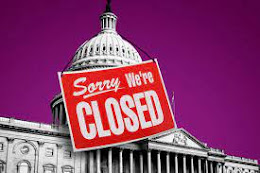
A couple of weeks ago, the Minneapolis City Council passed an ordinance to increase ride-share driver pay to $1.40 per mile, and despite Mayer Jacob Frey’s attempt to veto the measure, the council was quick to override the veto in an overwhelming 10-3 vote.
The decision to increase the driver pay of Uber and Lyft drivers continues the long debate on minimum wage and how a government can influence decisions regarding the minimum wage. More specifically, the debates and struggles on balancing capital, labor, and the government and its intervention. Capital would like for labor costs to be as low as possible, while labor wants wages to be the highest it can be. And finally, politicians are always looking for ways to look as if they are doing the right things, to gain votes. Because of the long ongoing debates and government intervention, citizens not only in Minneapolis but in the entire country working minimum wage must choose between accepting the new wages proposed or finding a different job with different pay.
In a shocking turn, what seemed to be a positive government impact and intervention soon turned out to be the opposite, as in response to the new plans from the council, Uber and Lyft announced that they would stop offering rides in the city starting May 1, 2024. This poses a huge issue as it will lead to over 10,000 drivers losing their jobs, along with the loss of a huge public transportation option for the millions living in the Twin Cities.
The cause for this sudden change is simple, the wage plan that the council proposed is nothing near the actual minimum wage, which would be a point of concern for drivers. However, the primary issue stems from government involvement, and it's that neither the Minneapolis City Council nor the state should be the one setting the minimum wages.
Class connections: In economics, we have recently been talking about the debate on whether or not minimum wage is good for the economy, and how beneficial is it to workers as well. I feel like after reading this article, I feel like a city council or state shouldn’t be the one deciding on the wages of ride-share companies. This is because it's a voluntary job, where drivers from the ride-share companies can benefit from a wage and customers can benefit from an affordable way of fast transportation. On top of that, nobody, let alone the city has any idea how much each driver is making. However, the balance of opportunity cost between drivers and customers as explained earlier would be destroyed if City Council members simply put a “just” and “fair” wage on the drivers.
sources:
https://www.aier.org/article/uber-and-lyft-drive-out-of-the-twin-cities/ https://www.cnn.com/2024/03/15/business/uber-lyft-minneapolis-minimum-wage/index.html