Summary:
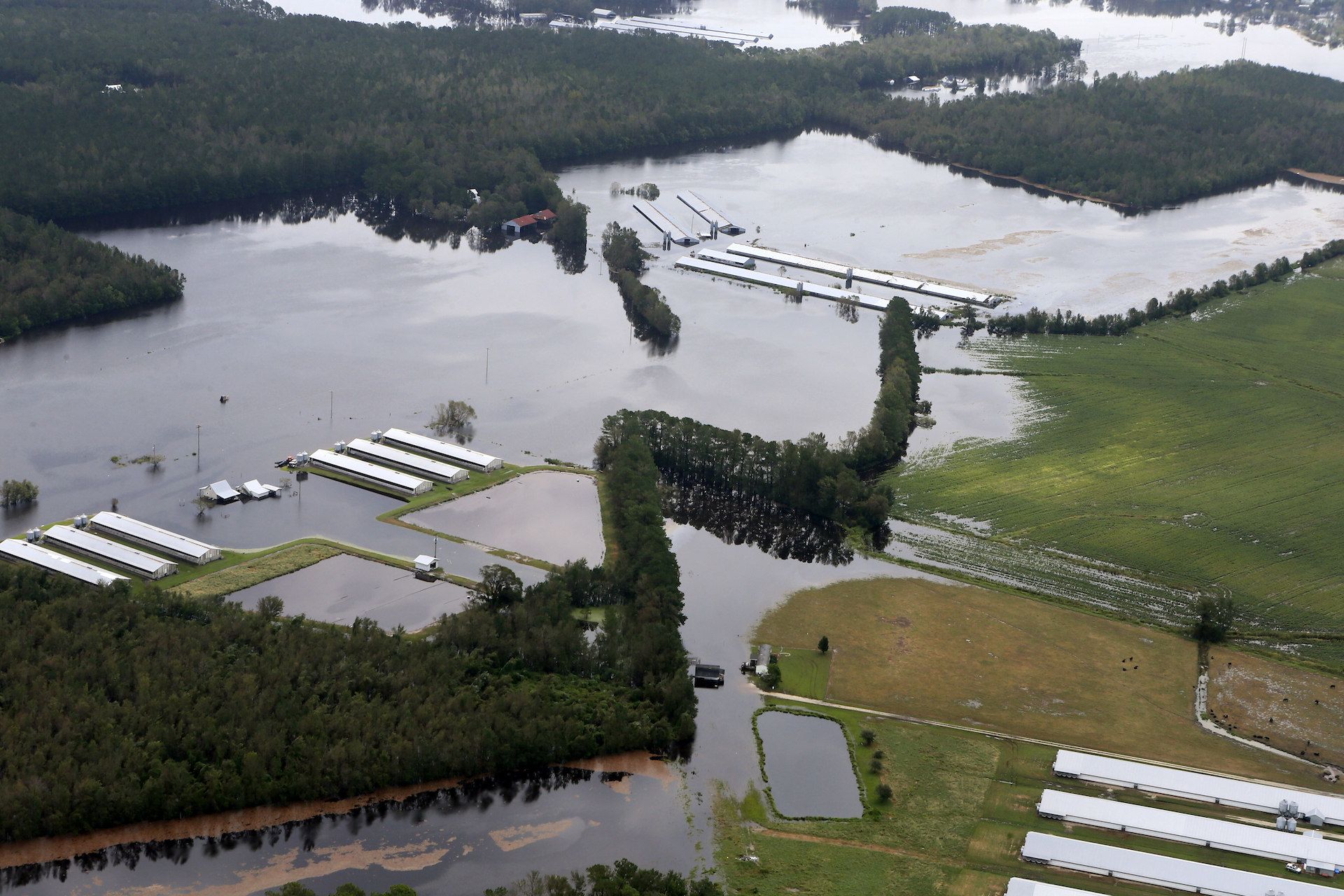
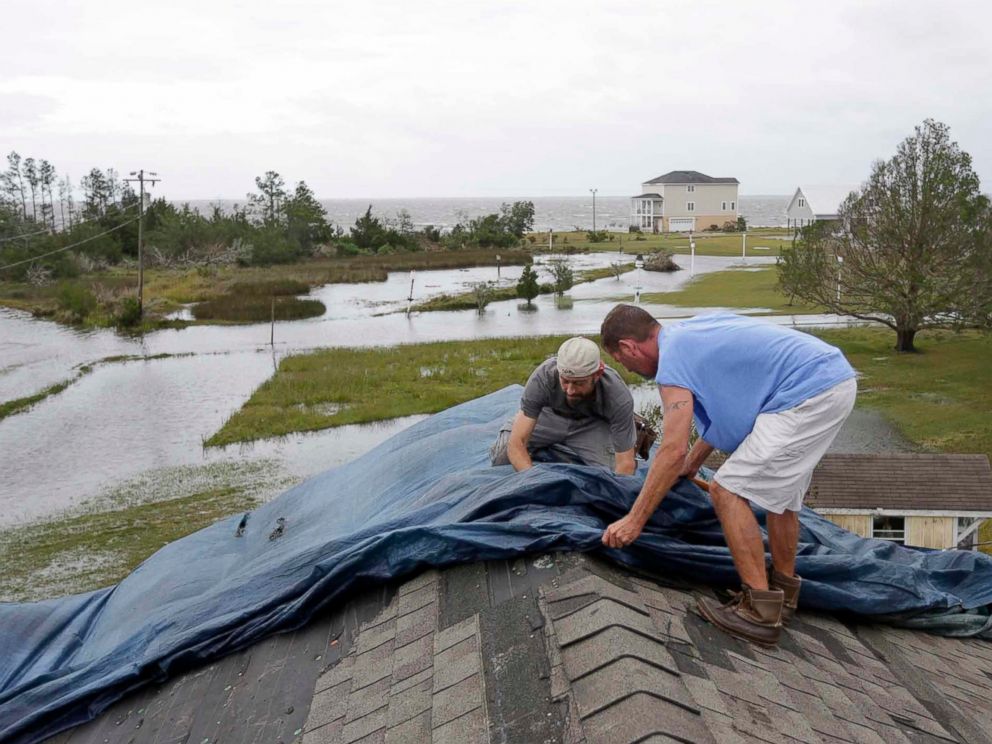
The devastation caused by Hurricane Florence continues, having already tragically stolen seventeen lives in the last few days and washed poisonous coal-ash from a landfill into nearby waters, but fortunately, many thousands of other lives have been kept safe due to widespread evacuation efforts, and environmentalist groups like the Environmental Protection Agency have been assisting the state in monitoring and containing the pollution caused by the hurricane. However, one issue remains: an appalling lack of federally provided flood insurance for countless homeowners. Analysts and actuaries have calculated that there is an awfully high percentage of people who are underinsured, with less than 10% of people having flood policies or flood coverage, possibly due to overestimates of governmental disaster aid and the severity of damage caused by Hurricane Florence. Ignorance about the fact that standard homeowner insurance does not account for flooding and the declining rate of flood insurance policies over the years also play a large part, according to researchers and insurance experts. Combined, all of these factors spell out an alarming reality that homeowners might be forced into debt once the natural disaster passes; costs for Hurricane Florence could go as high as $20 billion and as low as $10 thousand, which is not very low at all.
Opinion:
Personally, I think that the various misconceptions about Hurricane Florence's impact and the ability of the federal government to compensate for damages and losses can be chalked up to the tendency of the Trump administration to make many optimistic campaign promises and the fact that the executive branch seems to prefer the removal of any fines associated with not taking up any insurance, as seen with its partial dismantlement of the fine associated with the Affordable Care Act, which lessens pressure on the populace to get needed insurance for themselves. Since this is the case, I believe that the country should work on improving and advocating for life-saving flood insurance even further in order to convince people to trust the federal programs that provide it and ensure the wellbeing of American citizens that are affected by Hurricane Florence.
Questions:
Do you think that states should provide flood insurance themselves instead of leaving it all up to the federal government? Why?
What should be done to lessen the economic pressure on homeowners who might not be able to afford to rebuild their lost homes?
Is there any conceivable way to convince the general public that buying flood insurance is a good investment and in their best interest?
Does the political issue of climate change affect who might be interested in purchasing flood insurance? Why?
Sources:
https://www.usatoday.com/story/money/2018/09/16/florence-and-flood-insurance/1327854002/
https://abcnews.go.com/Business/wireStory/florence-expose-gaps-flood-insurance-57857843
https://www.wsj.com/articles/florence-washes-away-portion-of-coal-ash-landfill-in-north-carolina-1537137771
https://www.nationalgeographic.com/environment/2018/09/hurricane-florence-rain-climate-change-science/
https://abcnews.go.com/US/major-river-flooding-threat-posed-florence-heavy-rain/story?id=57857204