Saturday, September 7, 2024

Trump's announces his Economic Plan: Lower Taxes, Higher Tariffs, and a new Government 'Efficiency Commission'


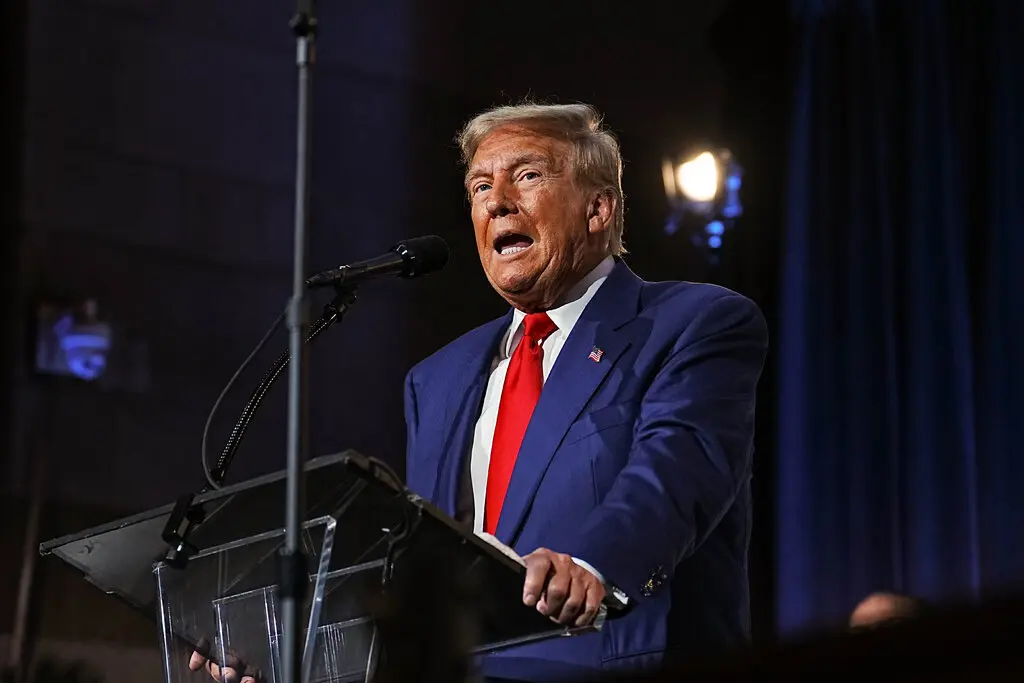
Credit...Former President Donald J. Trump speaking at the Economic Club of New York on Thursday
The New York Times

“My plan will rapidly defeat inflation, quickly bring down prices and reignite explosive economic growth,” is what Trump promised, this Thursday, at the New York Economic Club. Known for his bold claims and proposals, Trump is promising a whole lot in this upcoming election under the pressures of an inflated economy and increasing U.S. national debt. 

Trump claims that the first action he will take, if reelected, is to reduce taxes. He wants no tax on tips and Society Security benefits, expanded R and D tax credits, one-hundred percent bonus depreciation, and most importantly, a reduction on corporate taxes from 21% to 15%, but solely for companies that manufacture their products domestically. With this surprising condition of the tax cut, Trump seems to want to spur domestic production as a way to prop up the economy. Not only that, these proposals are similar to the tax cut he enacted in 2017 where he slashed corporate taxes to 21% from 35%, and as part of his economic campaign, Trump also wants to extend his 2017 tax cuts, which expire next year.

In comparison, Democrat and presidential competitor Kamala Harris’ economic plan is much different. She outlines a corporate tax increase to 28% from 21%, but aims to balance this by trying to incentivize new businesses–her goal being 25 million new business applicants–through a $50,000 tax deduction waiver for small businesses.

Trump’s reasoning for the tax cuts–to promote domestic production–looks to be wobbly in front of Harris’ plan; unlike Harris’ proposal, there is no equalizer for the tax cuts in Trump’s economic plan. The chances of domestic production filling the hole left by a deduction in taxes are slim, and begs the question: will Trump’s new proposed tax cuts really help the economy? Although his 2017 tax cuts did indeed fare well economically, it only did so for a short while before the repercussions caught up. After a year, the tax cuts actually widened the national debt. If Trump’s tax cuts failed the economy, how will lowering taxes again benefit the economy, if the result is a bigger deficit than before?

Interestingly, Trump’s answer to the question lies in increasing tariffs. Specifically, he plans to increase tariffs on national goods to anywhere between 10% to 20%. Moreover, he wants to place a 60% tariff on imports from China (this appears to fall in line with his emphasis on domestic manufacturing). His reasoning? To 1) generate revenue to pay for his proposed tax cuts–which he estimates to be trillions of dollars 2) protect working-class jobs and punish “unfair trading practices,” and lastly 3) help families afford childcare. 

Though the first reason is valid, but may prove to be insufficient, the last two are a bit questionable to say the least. Trump claims that these tariffs will protect working-class jobs, but existing tariffs on imported goods have already cost Americans more than $230 billion in a report by the US Customs and Border Protection. Furthermore, in a paper published by the Peterson Institute for International Economics, Trump’s call for increased tariffs would cost middle-income families an estimate of $2,600 a year. More tariffs means higher prices for the imported goods that Americans enjoy. While the 20% international tariff and 60% tariff on China would account for the tax money lost by tax cuts, the general American public is still paying for these tariffs, via the higher-priced imported goods. The third reason, childcare, which Trump justifies his tariffs by, saying that they “[will] be taking in trillions of dollars, and as much as childcare is talked about as being expensive, it’s–relatively speaking–not very expensive, compared to the kind of numbers we’ll be taking in.” This however, does not add much value to his economic plan–there’s already a burden from the tax cuts, and on top of that, middle-class families will be affected by these tariffs, so why is child care a priority of this tariff proposal? Clearly, Trump is blowing the potential impact of these tariffs out of proportion, and by linking it all together, his economic plan is deeply flawed, as it relies on the successes of his proposed tariffs–which may not even work out in the end. 

There is some hope to Trump’s economic plan, and that is the establishment of a new government sector: an efficiency commission. Trump adds on, explaining that the goal of the commission is to “conduc[t] a complete financial and performance audit of the entire federal government.” What’s surprising is that he fully consents to letting Elon Musk, CEO of Tesla, SpaceX, and X (formerly Twitter), be in charge of the commission. Inviting Musk into the efficiency commission looks like a desperate move on Trump’s part, and given that SpaceX–one of Musk’s companies–is a government contractor, there is much debate and controversy between this unexpected collaboration. 

Perhaps the best summary of Trump’s economic plan can be explained in terms of the four P’s (power, policy, process and politics) covered in class: Trump, who has political power as a former president and current candidate for the upcoming election, is proposing his economic plan, consisting of policies–like tax cuts and tariffs–that will eventually be part of a process to be enacted or rejected, to assuage concerns about the economy especially in a time of inflation and high national debt.


Sources Used:

https://www.reuters.com/world/us/trump-adopt-musks-proposal-government-efficiency-commission-wsj-reports-2024-09-05/

https://www.nytimes.com/2024/09/06/business/dealbook/trumponomics-trump-economy.html

https://www.nytimes.com/2024/09/05/us/politics/trump-elon-musk-efficiency-commission.html

https://www.pbs.org/newshour/show/comparing-trumps-and-harris-differing-ideas-on-how-to-boost-the-economy

https://www.cnn.com/2024/09/05/business/trump-economy-tariffs/index.html

https://www.cnn.com/2024/09/05/politics/trump-economic-plans-musk-government-commission/index.html

https://www.ft.com/content/f9f6b40c-7f00-49aa-883e-b82df6d76267

https://www.pbs.org/newshour/politics/watch-live-trump-delivers-remarks-at-economic-club-of-new-york-luncheon

https://apnews.com/article/trump-economy-harris-corporate-taxes-15ba5ecfdf5e907bd9b2c349b07222b8

https://thehill.com/homenews/campaign/4863990-trump-economic-agenda-elon-musk-commission-immigration-crackdown-tariffs/

Influencers unknowingly disseminate Russian propaganda

Russia distributes propaganda. That much is already known by the majority of the public. Yet a recent DOJ indictment and press release reveals that Tenet Media, a Tennessee based media network headlined by 6 well-known conservative influencers, was secretly backed by Russian money made with the intent to promote views in accordance with Russian viewpoints.

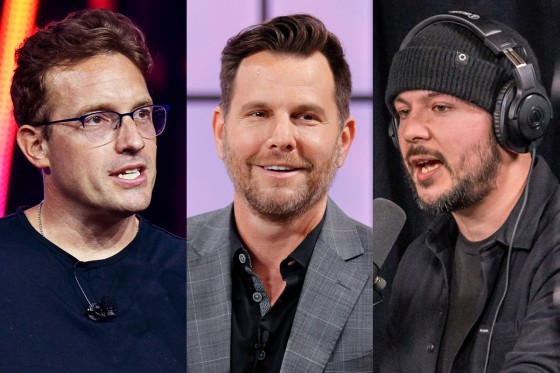
For a brief overview of the company, Tenet Media was a company founded in January 2022 by the conservative couple Liam Donovan and Lauren Chen. From its founding, Tenet Media pumped out huge quantities of videos headlined by conservative influencers such as Tim Pool and Dave Rubin that focused heavily on divisive issues such as immigration, the election, and various conspiracy theories pushed by right-wing groups (you can find some of their videos here). At its peak, the channel had around 2 thousand videos and boasted upwards of 300,000 subscribers as well as a total of around 16.6 million views, although the median view count per video sits at around 1,000. Since the indictment, however, Youtube has terminated the group's Youtube channel as well as the channels of co-founder Lauren Chen, and most of the group's conservative headliners have tried to distance themselves from Tenet Media and their participation in it.

So what is the indictment really about? Well, according to the Department of Justice (DOJ), Tenet Media is one of several organizations backed by Russian perpetrators in an attempt to influence the 2024 Presidential Election, through spreading misinformation in an attempt to both convince individuals to feel more sympathetic towards Trump as well as widen existing divisions already present in US politics.

As NBC notes, Tenet Media is simply an example of Russia's decades-old strategy to spread propaganda through seemingly independent actors, in this case conservative headliners, in order to influence public or individual opinion. And this is clearly not the first time. Famously, the Russian Government was found to be interfering in the 2016 and 2020 US Presidential elections. Russia has also been documented spreading misinformation in Ukraine and Africa and more recently, Russia was found to be supporting pro-Palestinian influencers. Clearly, the Russian Government sees a very strong need to continue influencing global politics and as the The New Republic (a left leaning news source) points out, despite the continued deterioration of the Russian economy (see Russia is running out of Yuan :(), there is still a sizable budget devoted towards influencing the upcoming US election. 

How some of the internet's most popular pro-Trump pundits ended up as paid  messengers for Russian propaganda
3 of Tenet Media's 6 hosts. From left to right, Benny Johnson, Dave Rubin, and Tim Pool. Source: Tenet Media


As we discussed in class and in the socratic seminars this past week, the media plays a huge role in shaping public agenda and public opinion -- the media is a major linkage institution that brings the public's problems and ideas to the policymakers and individuals in power in government. Thus, contaminating the media with ideas and ideals that are not actually held by the American public gives a false impression upon those in powers as to what the policy agenda (the most important issues that officials pay serious attention to) is and what their views should be, leading to skewed policies that don't actually benefit the people but rather the entities (in this case governments) that contaminated the media.


Thus, taken as a whole, this Russian propaganda campaign, although debatable in it's success (10 million dollars for mere thousands of views...?), represents and reminds us (the public) of the fact that elections are more than just national events, and that various competing governmental organizations are trying to influence the election -- whether that be this disinformation campaign, or perhaps Ukraine's invasion into Russia, showing the US and the Western hemisphere that the war is not, simply, another one of those markers in history where the little guy couldn't beat the big bad guy.

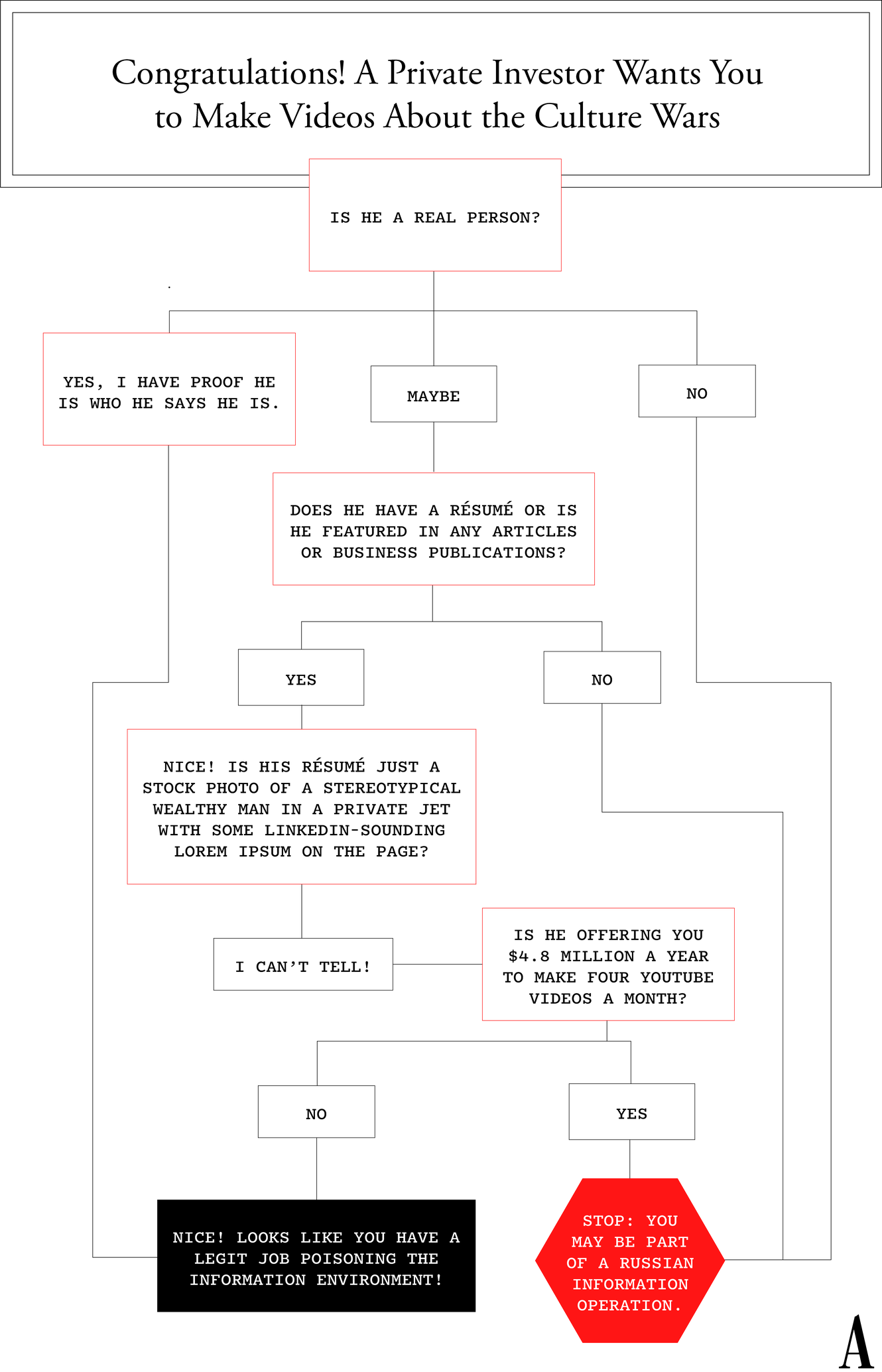
As the Atlantic sums it up:

https://cdn.theatlantic.com/thumbor/DPrMPELCuIvS3YctsppObRP52iY=/1330x2068/media/img/posts/2024/09/infographicArtboard_1_copy_22x-6/original.png
I didn't mention this but the top influencer was paid $400k a month to make videos that racked up thousands of views, and when questions about financing and money came up, Russian sources simply made up a Belgian "free speech advocate" that had their name misspelled on multiple documents. Their resume is here.

-------------------------------------------------------------------------------------------------------------------------------

Sources:

Tenet Media's Website

Tenet Media Youtube Statistics (Socialblade)

NBC, ForbesWIRED, New Republic, New Republic - Tenet Company Fallout, The Atlantic, Washington Post, NY Times

DOJ Indictment Press Release


Another cool article that I didn't use: WIRED - What was discussed in those Tenet Media Videos


Friday, September 6, 2024

Framing bias example!


This just popped into my inbox from the NYT:

Judge Delays Trump’s Sentencing Until After Election Day

The judge overseeing Donald Trump’s criminal case in Manhattan rescheduled the sentencing for Nov. 26, a significant victory for the former president as he seeks to win back the White House.

A 'significant' victory? Really? How do they know what the political impact of a sentencing before election day might be? They don't; this is just lazy narrative-shaping baloney. If the judge intends to toss Trump in jail, doing so before the election could might benefit him in terms of remobilizing his base to turn out, knowing that him winning the election would be the only possible way to stop the state of New York from putting him in custody (and even then, it's a state case, so in theory he could start a term of US President while in custody!) If the judge thinks a lighter sentence is deserved, Trump could spin that as evidence the case should never have been brought in the first place. Or, maybe a sentencing would remind people that he has a pattern of acting and asserting that he is above the law and end up hurting him politically. The point is that whomever wrote this sub-headline should be mildly ashamed of themselves because they were making a speculative assumption in the subheadline of a news (not analysis or opinion) story. Indeed, the story as published online has a different subheadline already.

Furthermore, the judge's action could serve to restrain Trump from trying to undermine the election results after election day with bogus claims of fraud, intimidating officials involved in certifying the election outcomes in various states, etc. Judge Merchan has the power to shut him up by remanding him to custody (which is SOP at a sentencing that results in a prison term). Doing so would be a breach of legal ethics, but if the fate of the republic is on the line, all bets are off.

In related news, the federal judge overseeing the Trump insurrection case is asking the prosecutor to file a motion that will include a swath of yet-unseen evidence by the end of September. That strikes me as being a 'significant defeat' for the Trump legal team and their obvious efforts to delay the trial. Judge Chutkun isn't playing!! She made it clear that the case has already been pending for a full year, and she also made it clear that she thinks the argument that Jack Smith's appointment as prosecutor was unconstitutional to be "unpersuasive" i.e. she (like nearly every law professor on earth) thinks its idiotic and isn't going to allow a whole separate round of appealing on that basis, even though that decision can and will be appealed. She's clearly had it with the delays, and stated repeatedly that she doesn't give a darn about the political impact on the upcoming election. So, all in all, IMO the past 24 hours were not good news for Trump in respect being held legally accountable.

Wednesday, September 4, 2024

Harris Outlines Plans to Address the American Housing Crisis

            The housing crisis is currently affecting over 40 million Americans. The way Democratic nominee Kamala Harris handles it will be critical to her campaign’s success. A recent Center for Popular Democracy poll found that the majority of registered voters in five swing states would personally benefit from policies that reduce the high cost of housing. Harris said she intends to build 3 million new homes, make housing more affordable, and ensure Americans build wealth through property value. In theory, this sounds great, but in practice, it could prove much easier said than done. 

Vice president Harris has proposed a few main solutions for the housing crisis. The first one is a $40 billion fund for tax credits meant to encourage businesses and builders to create more low income housing. If all goes well, this policy would result in many more affordable renting units for Americans to live in. But, most likely, all will not go well. 

The biggest issue with this proposal is getting funding, which would have to be approved by Congress. This would be no easy feat, especially with so many pressing political issues demanding money at the moment. Another hurdle would be zoning regulations. The Nonpartisan Urban Institute’s Jung Choi states that “[zoning] rules are controlled by states and cities, not the federal government,” which would make it “difficult to attain that 3 million goal,” specifically due to lack of land. One potential solution for this issue is the use of federal land for construction, an idea that Harris has expressed support for.

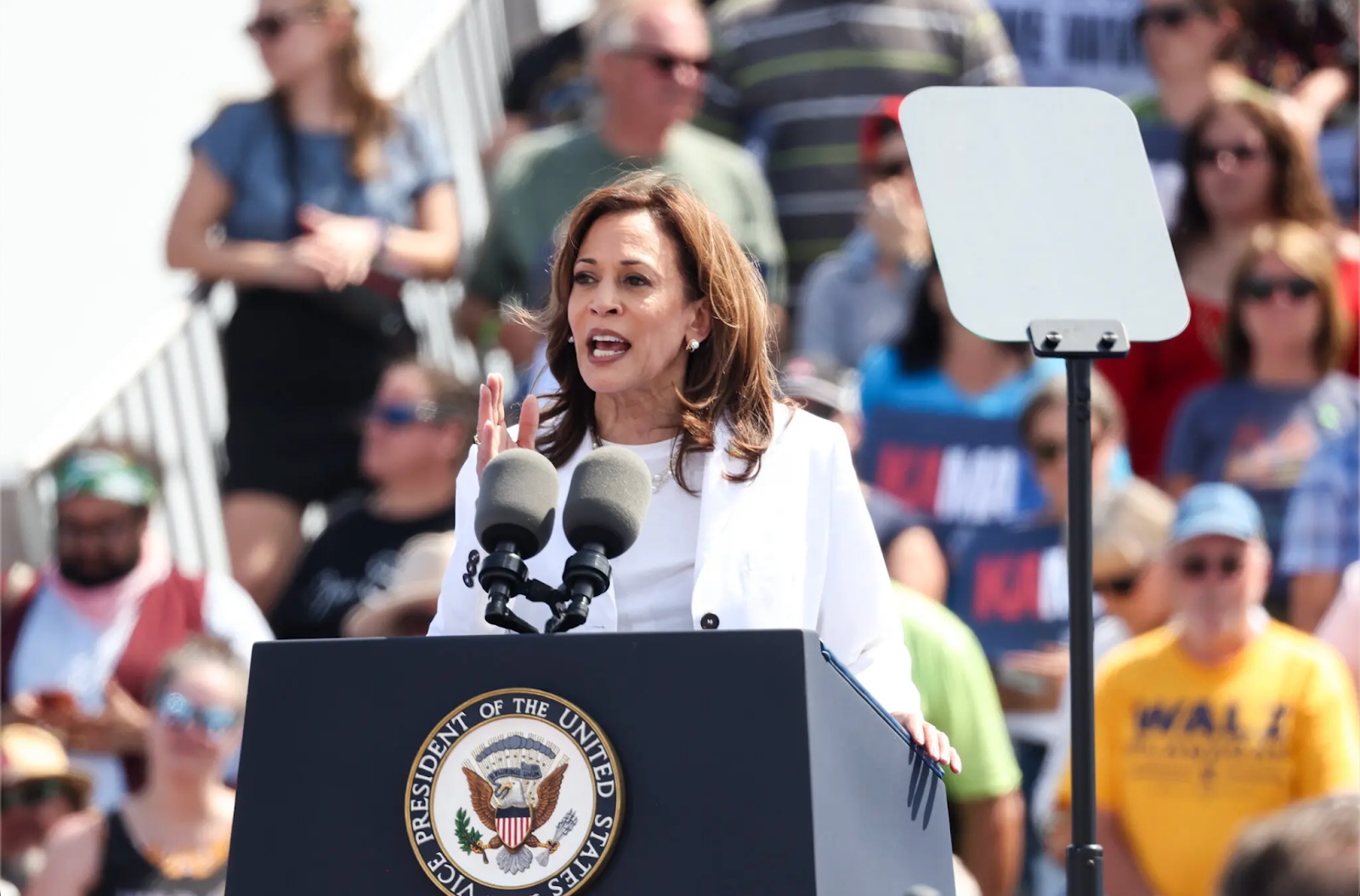
Kamala Harris Outlining Plans For Tax Cuts Meant To Spur Home Construction | New York Times


Harris has also proposed a $25,000 benefit to first time home buyers for down payments, describing purchasing property as “part of the American dream and their aspiration.” The biggest problem with this idea, according to American Enterprise Institute economist Michael Strain, is that “the ultimate beneficiary of that credit is not going to be first-time home buyers. It’s going to be people selling homes.” And this sentiment is shared by many other economists. Essentially, by giving buyers more money, Harris increases the demand for starter homes. Without increasing the supply of said homes, the benefit will simply cause the price to increase until the equilibrium quantity is met–at a higher price. But other economists, such as National Housing Conference CEO David Dworkin, disagree with Strain’s sentiment, arguing that “as long as the program is targeted and well distributed, it is unlikely to inflate housing prices.” With economists in disagreement, it seems it will come down to how well Harris implements the program. 

With the housing crisis increasing in severity each day, it’s clear that affordable housing will be a hot topic in the upcoming election. As almost 12% of Americans are affected, Harris will be expected to present tangible policy solutions. And the way the public views her proposals could greatly help – or greatly harm – her campaign.


Sources:

https://www.urban.org/urban-wire/permanently-affordable-housing-has-support-both-republican-and-democratic-voters

https://www.politico.com/f/?id=0000018f-e6a8-d7f2-a19f-feb875820000&nname=playbook&nid=0000014f-1646-d88f-a1cf-5f46b7bd0000&nrid=00000166-4648-d3a5-abf6-5e48ac5f0000&nlid=630318

https://www.nytimes.com/2024/08/30/business/economy/housing-plan-harris-trump.html

https://www.pbs.org/newshour/economy/harris-has-proposed-a-slew-of-economic-policies-heres-a-look-at-whats-in-them

https://www.npr.org/2024/09/02/nx-s1-5096131/how-harris-and-trump-plan-to-address-the-high-cost-of-housing

https://www.housingwire.com/articles/harris-offers-key-new-details-on-housing-plan/


Harris Promises To Bring Back Controversial Border Deal

           On August 22, the final day of the Democratic National Convention, Kamala Harris accepted the Democratic presidential nomination and made many promises regarding her plans for office. Notably, she promised to bring back the Border Act, stating that “We can live up to our proud heritage as a nation of immigrants and reform our broken immigration system.”

In February 2024, Senate Majority Leader Schumer proposed the Emergency National Security Supplemental Appropriations Act with the goal of setting aside almost $120 billion for a variety of issues, including immigration reform, foreign aid, and uranium enrichment. The $20 billion allocated to immigration reform included creating new paths to asylum for Afghans, hiring over 1500 new agents at the border, capping the number of immigrants allowed in each day, and creating more Visas each year for legal immigration. 

Effectively, the bill would heighten security at the Southern border while creating more legal pathways to citizenship, something that theoretically both parties could get behind. But it quickly became clear that, despite having the endorsement of minority leader Mitch McConnell, the immigration reform section was so unpopular with Republicans that it would cause the whole bill to fail, so it was removed from the bill and shot down in the Senate. Three months later, when Senators Murphy (D), Sinema (Independent), and Lankford (R) brought the immigration reform provisions of the bill back (with some revisions) as the bipartisan Border Act, it faced even more Republican opposition.

The bill served the interests of both parties, had the endorsement of both senate leaders, the National Border Patrol Council, and the Chamber of Commerce, yet it failed to pass. Why?

The answer is clear, Donald Trump doesn’t want it to. In January 2024, the former president described the proposal as a “horrible open borders betrayal of America.” He intensified his position in February on his Truth Social account, stating that “​​Only a fool, or a Radical Left Democrat, would vote for this horrendous Border Bill, which only gives Shutdown Authority after 5000 Encounters a day, when we already have the right to CLOSE THE BORDER NOW, which must be done.” 

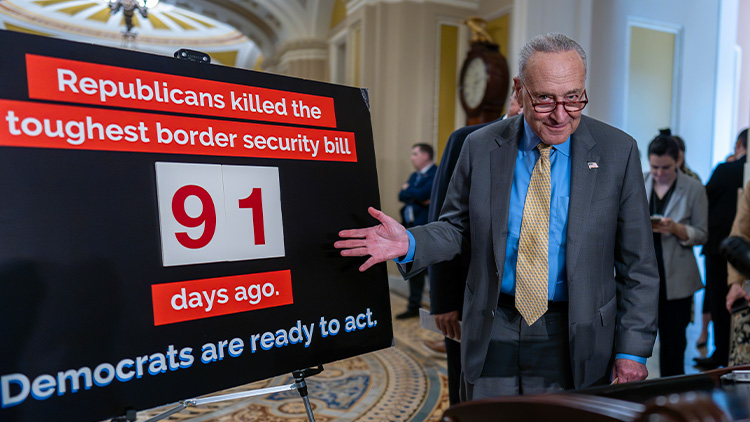
Senate Majority Leader Chuck Schumer on May 8, 2024 | ABC News

This is an example of a normative statement. As we covered in class, normative statements are not facts, but rather an opinion on how something should be; they are often defended with facts. In this case, Trump uses a value judgment to determine what should be done, asserting that the border should be closed with even stricter guidelines than outlined in the Border Act. Former president Trump holds considerable sway in the Republican party, and has urged Republicans to reject any bill that isn’t “perfect,” aka a total crackdown on immigration. But to some bystanders, such as Rep. Jamie Raskin, Republicans are blocking the bill on “orders from” Trump. 

But proponents of the bill think this reasoning isn’t entirely truthful. Although the American Immigration Lawyers Association describes the bill as “the most extensive border funding and security measures proposed in decades, perhaps ever,” former president Trump remains outwardly skeptical.

Both President Biden and Vice President Harris have accused Republicans of “playing politics with the border” by not passing this bill. Senate Majority Leader Schumer also denounced Trump’s opposition to the bill, telling reporters that “Trump told his MAGA allies to kill it in its tracks so he could exploit the issue on the campaign trail.” And Trump certainly has campaigned on the issue, making border control one of his key promises in past months. On the same day as Harris’ DNC speech, the former president visited the border state of Arizona, promising to “seal the border” and “stop the invasion,” but failing to mention that he has opposed bills funding border security, twice. Although the logistics of this bill have proven contentious in the Senate, both parties can agree that America’s immigration system needs reform.


Sources: 

https://www.nbcnews.com/now/video/harris-says-she-will-bring-back-bi-partisan-border-deal-217819717513

https://www.democrats.senate.gov/newsroom/press-releases/majority-leader-schumer-floor-remarks-announcing-the-senate-will-vote-thursday-on-bipartisan-border-security-legislation-blocked-by-senate-republicans-three-months-ago

https://www.aila.org/library/policy-brief-aila-analysis-of-the-border-and-immigration-provisions-of-the-emergency-national-security-supplemental-appropriations-act-2024

https://www.pbs.org/newshour/politics/whats-in-the-senates-118-billion-border-and-ukraine-deal

https://www.nbcnews.com/politics/congress/senate-republicans-block-border-security-bill-campaign-border-chaos-rcna153607

https://tucson.com/news/local/border/arizona-border-donald-trump-campaign-election/article_f078fd6a-5e57-11ef-af91-170f3b96b5d9.html

https://www.washingtonpost.com/politics/2024/01/27/trump-border-biden/

https://thehill.com/homenews/campaign/4415370-trump-cautions-gop-border-deal/


Monday, September 2, 2024

Polio Strikes Gaza: Israel Pauses War..Temporarily

Six weeks ago, there were traces of polio in Gaza's wastewater. Today, the deadly paralyzing disease threatens an outbreak. 

Under UN's vaccination campaign, both Hamas and Israel have agreed to staggered pauses in their fighting to allow for polio vaccinations. This was accomplished after six weeks of negotiations, and even then, Gaza has not been offered much reprieve by Israel. Even after US Secretary of State Antony J. Blinken urged Israel Prime Minister Netanyahu to pause the war, Israel offered only 3 days for vaccinations, and they made it clear it wouldn't come to a ceasefire. Three days for the United Nations to vaccinate 640,000 children -- a task made difficult enough considering Gaza's already worsening humanitarian crisis. 

Tamer Qarmout, an Associate Professor in Public Policy at the Doha Institute for Graduate Studies appears on Al Jazeera, stating "That's so pathetic...to get to the stage where the International community is begging Israel to vaccine children. And this tells you to what extent this war has become immoral and genocidal." He also brings up a point by a speaker of the World Health Organization, which is that even if vaccinations are carried out, these children might end up dying anyway, not from polio, but from Israel's attacks. 

Israel is not the only immoral state in this conflict. Six more Israel hostages were found dead in Gaza yesterday, sparking protests in Israel, all demanding Netanyahu for an immediate cease-fire. All around, this seems to be the common chant. It appears the media is putting out one message, whether it be Palestinians, Israelites, or Americans, that a ceasefire is necessary. But will Netanyahu listen? 

President Biden, at least is listening. Although he has been staying away from Netanyahu during the height of the presidential campaigns (due to Democratic disapproval of Netanyahu), he has voiced his opinion that Netanyahu simply isn't doing enough to free the hostages and call for a ceasefire. 


So far, the World Health Organization and UNICEF have transported over 1.2 million doses of oral polio vaccines to areas in Gaza where fighting will be paused. They are expecting about 400,000 more doses to account for the initial vaccination. Four weeks later, a booster immunization will be provided, in which another pause in the war will take place. This temporary pause in fighting may not be permanent, but the increasing stakes certainly require it to be so. 

Sources:

https://www.nytimes.com/2024/08/30/world/middleeast/gaza-polio-vaccinations.html

https://www.nytimes.com/2024/09/01/world/middleeast/gaza-polio-vaccine.html

https://www.youtube.com/watch?v=L4LEws4FT30

https://www.cbsnews.com/news/hersh-goldberg-polin-israeli-american-hostage-killed-in-gaza-family-says/

https://www.aljazeera.com/news/2024/9/2/biden-says-netanyahu-not-doing-enough-to-secure-gaza-ceasefire-deal


Sunday, September 1, 2024

Going Red in a Family of Blue: Robert F. Kennedy Jr. Endorses Trump after Suspending his Presidential Campaign

Known as an avid environmental lawyer, and even more for his conspiracies on vaccines, Robert F. Kennedy made the headlines this week for suspending his candidacy for president. 

In April 2023, Robert F. Kennedy announced his Democratic primary bid for US president. It seems this was his destiny, to follow in his uncle's footsteps. Except maybe President John F. Kennedy's shoes were too big to fill (is size 10 too big?). In October 2023, RFK Jr. announced a party switch from Democrat to Independent. He claimed it was his "[declaration of] independence from the journey of corruption." Whether this was a move to spite the Democrats for their supposed "rigging" of the primaries, or one made truly to fight the big corporate corruption plaguing the US, it has presented issues to both sides of the race. 

Upon this announcement, Democrats and Republicans both feared RFK Jr.'s presidency. They saw him as a threat, a candidate to steal percentage points away from their respective candidates, as all independents have done, historically. Shamelessly, Kennedy remarks at his party switch announcement, "The truth is [the Democrats and Republicans are] both right. My intention is to spoil it for both of them." 

How curious does this statement become when a week ago, Robert F. Kennedy suspended his race due to his "tumultuous independent presidential campaign", as described by NBC News, and then crawled to former president Donald Trump offering his endorsement. Trump welcomed RFK Jr. with open arms at his rally in Phoenix, Arizona, introducing him with "My Hero" by the Foo Fighters blasting in the back. Together, they mentioned their differences but emphasized their similarities. Even more, they spoke of one another in great reverence, as if they had been on the same side all along.

Donald Trump, the pro-life billionaire and corporate titan is now Robert F. Kennedy Jr.'s best friend. According to RFK Jr.'s running mate, Nicole Shanahan RFK Jr. might join the Trump administration as secretary of the Department of Health and Human Services should Trump get elected. RFK Jr., who has always preached "We the people" and not "We the corporations", as well as "pro-choice" and not "pro-life," has now compromised his morals to reach some self-serving, power-grabbing goal, but so it goes in the world of politics. It seems nepotism didn't work for RFK Jr., so he resorted to being in cahoots with his rival to win the game of politics. A sacrifice of policy for power. 

But, then again, maybe RFK Jr. and Trump aren't so dissimilar. After the assassination attempt on Trump's life, RFK Jr. said he and Trump talked for hours, and that "he found they had more in common than he believed after several sessions." Trump is also known for distrusting vaccines, especially during the pandemic. Not a surprise, then, that he would appoint RFK Jr. as secretary of the Department of Health of Human Services. 

Was this RFK Jr.'s plan all along? While originally a Democrat, Kennedy's polarizing views on vaccines and border control put him more right-leaning, appealing to more Republicans. Perhaps he entered this race with the intention of stealing votes for the GOP. Steve Contorno, Alayna Treene, and Aaron Pellish at CNN believe there is "hope within the former president's operation that Kennedy's exit could prove decisive." Yet Allan Lichtman on NewsNation believes that the "idea that [RFK Jr.] could somehow turn" votes to Trump is "absolute nonsense." Or perhaps he believed his party switch could finally dismantle the two-party system. Bo Snerdley on NewsNation argues fervently that all RFK Jr. has to do is perform well in 7-8 battleground states to win the election. However, as previous races have shown, no Independent candidate has done this so far in a presidential election. It begs the question of the intentions of all Independent presidential candidates. Granted, not all are quite as eccentric or unreliable as our conspiracist Mr. Kennedy, but do they all really believe they can win? Do we as Americans believe they can win? 


Sources:

https://www.pbs.org/newshour/politics/watch-live-trumps-appears-at-a-campaign-rally-for-first-appearance-following-democratic-convention 

https://www.pbs.org/newshour/show/3-things-to-know-about-robert-f-kennedy-jr-s-decision-to-suspend-his-campaign

https://www.pbs.org/newshour/politics/robert-f-kennedy-jr-drops-his-democratic-primary-bid-will-run-as-an-independent 

https://abcnews.go.com/Politics/rfk-jrs-switch-independent-campaign-draws-criticism-republicans/story?id=103860523

https://www.bbc.com/news/articles/cwy5ekxlwzgo

https://www.nbcnews.com/politics/2024-election/robert-f-kennedy-headed-breakup-democratic-party-rcna118646

https://www.newsnationnow.com/cuomo-show/rfk-jr-trump-harris-allan-lichtman/

https://www.miamiherald.com/news/nation-world/national/article291481195.html

https://www.cnn.com/2024/08/23/politics/robert-kennedy-president-trump/index.html

https://www.nbcnews.com/politics/2024-election/rfk-jr-says-court-filing-endorsing-trump-ending-presidential-hopes-rcna165936


Saturday, May 4, 2024

Is Your College Doing This? The Summary of Student Protests Across the Nation.

     In the midst of the Israel-Palestine conflict, Americans watch from their TV’s, newspapers, and phones about the horrifying conflict that is currently taking place.  How stubbornness and ideals can lead to such barbarism in our very own modern day.  It’s no surprise that given America’s support for a band of war criminals that many are outraged at their own country.  From spreading the morally reprehensible actions of Israel to filling the streets with chanting and signs, people across the nation do whatever it takes to call for a ceasefire, or at least withdraw support of munitions from Israel.

However, the US government is not the only one investing in Israel.

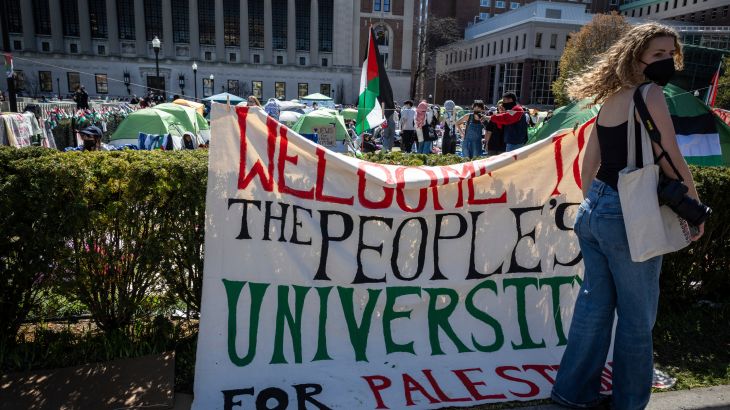
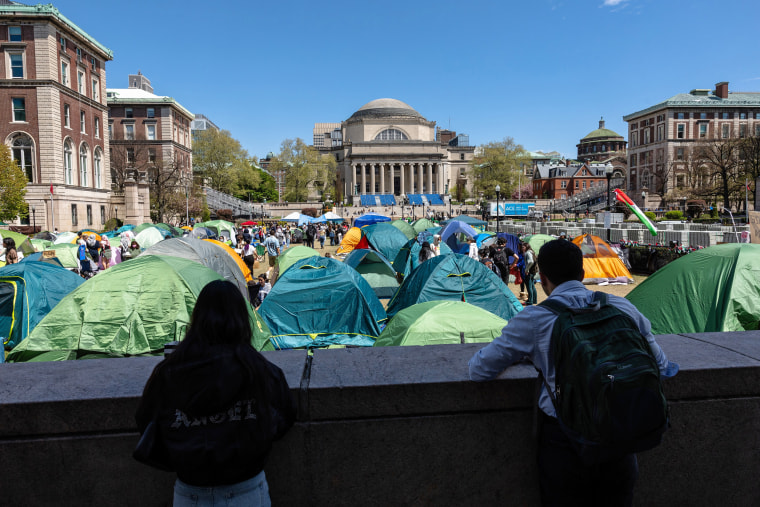
On April 17th of this year, students of the prestigious Columbia University took to the streets to demand their institution divest from Israeli supporting industries and stocks, defense industries and to publicly disclose their investments.  Students set up camp to raise awareness around the university.  At the same time, Columbia University President Minouche Shafik held a congressional hearing on antisemitism, which only served to grow the student encampment population.

On the next day, police raided encampment, arresting over 100 students.  Columbia University has also suspended these students for 2 weeks.   After that, Columbia students lock themselves up in the Hamilton Hall, an academic building. Again, the police were called in to break the barricade and arrest the students inside and over 100 people were arrested.

According to Shafik, the protest "violates all of the new policies, severely disrupts campus life and creates a harassing and intimidating environment for many of our students."

Activist Maryan Alwan at Columbia University, one of the many arrested in the encampment, comments how “this outside agitator narrative has been historically, you know, propagated over and over again, within student movements such as Black Lives Matter as well, in order to delegitimize the movement,” and comparing their movement to that of the Vietnam War protests that were commemorated at Columbia.

Columbia extends deadline to end Gaza war protest by 48 hours: All to know

    But what happened to the First Amendment, our freedom to speech, religious practice, and most relevantly, our freedom to assemble when the university suspended these students for taking a stand?  The First Amendment of the US Constitution states that “Congress shall make no law… abridging… the right of the people peaceably to assemble.”  However, Columbia University is not the US government, nor is it a public university subject to the First Amendment.  Therefore, these universities can discipline students how they see fit regardless of the constitution.

Protests like these are not exclusive to Columbia University.  Students of prominent universities around the country have also protested for the divestment of Israel to their universities.  At UCLA, encampments of pro-palestine protesters were attacked by counter protesters spraying chemicals and setting off fireworks, as well as directly beating these protesters. This attack left 15 students injured and 1 student hospitalized.  There was no response or presence of police officers.

In other universities, officers were direct adversaries to the students.  At the City University of New York, police were called to clear their encampment, arresting close to 300 people.  Those who were on the site reported police using excessive force, such as being thrown to the ground, or being dragged out of the camp.  Some people reportedly left the camp with broken teeth, and others claim that handcuffs and zipties were so tight that their hands turned purple.

The peacefulness of the protests have also been widely argued.  Administrators and Jewish groups claim to have seen a sharp rise in antisemitism, especially in the remarks made during the protests.  On the other hand, advocates for Palestine have pointed out that many prominent protest leaders are Jewish, and that the violence and aggression reported is not representative of their people.

        Right now, over 2100 students were arrested nationwide for the protests.

“Dissent is essential for democracy,” President Joe Biden comments, “But dissent must never lead to disorder.”

On May 3rd, demonstrations have stopped in some universities through striking a deal between protesters and administration, with schools such as Brown, and Northeastern having mellowed their protests.  As finals come creeping up, and graduation ceremonies are being prepared this year, students and administrators are both more willing to cooperate in order to lower disruption at their universities.  In return, students demand that universities review their investments with Israel, and give students more power in arguing their case.  However, no promises to divest funds have been made, as divesting in many universities is a long and hard process, just like a bureaucracy!

Encampments across universities have become a country wide phenomenon in the universities that you guys will be going into.  No matter what, the right to freely assemble and demand is an important and powerful right for democracies when all else fails.  But also remember that protests are never easy.  To the aspiring activists out there, be sure to be firm in what you believe in, and be able to endure the hard cold floor of your tent, the threats of arrests and suspension, and the crushing loneliness of being one of many to speak out for your cause.

How the Columbia protests sparked campus demonstrations across the country

Also, hi 6th Period.  You guys did the argumentative prompt about free speech zones at university, right? 

Source Used:

ABC News

LA Times

AP News

Time

Politico

The Guardian


Thursday, April 18, 2024

What's On The 2024 Agenda? According to Jerome Powell, It May Not Gonna Be Rate-Cuts!


A report on April 16th from the Federal Reserve Chair Jerome Powell seems to backtrack on the possibility of interest rate cuts for Americans. After raising interest rates to combat inflation throughout 2023, Powell previously agreed to keep them steady throughout January of 2024 and foresaw (economy permitting) two rate cuts in the future. However, on Tuesday, when asked about when these rate cuts will be happening in 2024, Powell seemed hesitant to make any promises:

"The recent data have clearly not given us greater confidence and instead indicate that it's likely to take longer than expected to achieve that confidence," Powell told a forum in Washington. Powell seems to maintain that the interest rate increases need time to act, and that until they do, it's unwise to make any confident declarations about when the interest rate cut-backs will come. 

As many of us learned in class recently, in mid 2022 to early 2023, the Federal Reserve Chair Jerome Powell proposed hiking interest rates, with the Republican party backing him and consequently pressuring the U.S. Federal Reserve to do so. The cause of this proposition was the growing trend of inflation (caused by excessive federal government spending and the 2021 COVID-relief stimulus checks), and many Americans were concerned that this would cause unemployment rates to skyrocket. And even though these interest rate hikes catalyzed the "soft landing" that led to high praises of the Federal Reserve and Jerome Powell for their decision-making and recession prevention, the threat of these increases continuing into 2024 prompted a swift Democratic backlash. 

Early this year, Democratic senators Elizabeth Warren, John Hickenlooper, Jacky Rosen, and Sheldon Whitehouse penned a letter to Fed Chair Powell imploring him to cease the interest rate hikes, as they had resulted in higher costs for homebuyers and renters. According to the Democrats, the rate increases had sparked a cataclysmic event in the housing market and tanked housing affordability, which majority of lower to middle class Americans did not want on the 2024 Bingo Card. Though they acknowledged that Powell vowed to keep the rates steady for the foreseeable future, they still maintained that rate cuts are a necessity and need to come as soon as possible, as the effects of the interest rate hikes are being felt tremendously by the American public.

Like many of the issues plaguing our country, however, this issue isn't entirely a question of the betterment of the American people, but rather the potential political issue it may present for the highly anticipated 2024 election for Democrats. Democrats fear that the event of a continued bout of rate increases would harm a Biden reelection. As ABC News states, the most recent Democratic presidential candidate to lose the presidential nomination when it came time for his reelection was Jimmy Carter, and he lost the presidency because of rate hikes at the Federal Reserve. For Democrats, now is not the ideal time for economic unrest, and the interest rate cuts could not possibly come sooner. The interest rate cuts would further decrease unemployment rates, and these economic improvements could be instrumental to Biden retaining his presidency.

Naturally, this means that it is in the best interest of the Republican party to make sure that these rate cuts do not happen before election day. Hence, former President Donald Trump, who is currently undergoing a felony fraud court case, took Powell to case in a Fox Business Network interview, calling him “political” for entertaining the idea of rate cuts, which he believes would advocate for a Biden presidency in the 2024 to 2028 term. For context, Powell was first nominated to be Fed chair by Donald Trump in 2017, but has fallen out of grace with him for being too independent of politics; Trump vows that if he is elected president once again, he will replace Powell when his term as chair ends in 2026. Powell maintains that “this independence both enables and requires us to make our monetary policy decisions without consideration of short-term political matters,” so it appears as though he (for the moment) won't be cowed into submission by Trump or the supportive sector of the Republican party.

For now it remains to be seen what will become of the promised rate cuts and what they will mean for the 2024 election, but they are certain to make for a flamboyant declaration of economic policy, regardless of who wins the presidency.

Sources:

https://abcnews.go.com/Business/interest-rate-cuts-2024-election/story?id=105752108

https://abcnews.go.com/Business/interest-rate-cuts-2024-election/story?id=105752108

https://www.reuters.com/markets/us/feds-powell-jefferson-square-restrictive-policy-with-strong-data-2024-04-16/

https://thehill.com/business/4435570-democratic-senators-call-on-fed-to-cut-interest-rates-over-high-housing-costs/

https://thehill.com/business/4513519-fed-chief-caught-in-partisan-battle-over-rate-cuts-as-election-looms/

https://apnews.com/article/federal-reserve-powell-inflation-economy-rates-jobs-f9c65fb1b8116168f825657bc5f5c117

https://www.wsj.com/economy/central-banking/powell-dials-back-expectations-on-rate-cuts-00e3e5d0

https://www.investopedia.com/us-economy-news-today-housing-starts-and-permits-nosedived-in-march-8634124


Monday, April 15, 2024

Law And Order: Special Presidents Unit (aka The Beginning of Donald Trump's Criminal Hush Money Trial)


Today marks the beginning of former President Donald Trump's criminal hush money trial, the first of his four impending trials (and 34 felony counts), and a historic move by the courts. Never before has a former US President been indicted on account of criminal activity, and this particular piece of criminal activity is especially unbecoming. The charges involved in this trial, from Manhattan District Attorney Alvin Bragg, can be traced back to the $130,000 dollars former Trump lawyer Michael Cohen paid adult film actress Stormy Daniels to keep quiet about an alleged affair between her and the former president, around the end of the 2016 election. While this in itself is certainly an icky situation, the hush money aspect isn't necessarily illegal. The illegal portion happens to be that Trump repaid Cohen in installments that were marked as "legal fees" in his company's records, which is considered as fraud. Especially considering that these payments were made around the time of the 2016 election, it stands to reason that the DOJ would consider paying of Daniels to have been an attempt "to influence the 2016 presidential election" by concealing the potentially nasty secret of an affair. 

The former President didn't take this all lying down, of course, as he vehemently denied all of the allegations presented and maintained that he should have some level of immunity as a former president. This has been a common thread with many of his criminal proceedings, as he has consistently argued that his former position of power in the US exempts him from being indicted on account of his various criminal activities. This was especially true in terms of the felony counts of him obtaining classified government documents from his time in office and stowing them away in an unprotected location (i.e. a bathroom in Mar-a-Lago). Trump's lawyers' main argument was that the Presidential Records Act (PRA) allowed the president to have possession of these documents, but this has been highly contested by the public and the courts.

The trial kicked off today with the choosing of potential jurors and individual jury questioning. This was a rather contentious situation, as many jurors were excused right away for their admitted inability to be impartial in the proceedings. Judge Juan Merchan maintained that jurors should try their best to be impartial, regardless of their political affiliation, and urged jurors to consider whether they would act the same way if they were of the same political party of the president. Meanwhile, the Trump Media stock price has plummeted more than 18% after the company sold millions of additional shares, clearly gearing up for the plethora of fines they're about to incur from Trump's criminal endeavors. 

All in all, it is unclear as to whether this trial will really amount to much, but given the general scandalousness of this situation, it is safe to say that this may sway Trump's base a bit, as it would be controversial to be in support of a convicted felon (if it comes to that). However, the gravity of this situation in the long term is ambiguous for now, and whether this trial will effect his chances of snagging a second tenure of president remains to be seen. 

Sources:

https://www.usatoday.com/story/news/politics/elections/2024/04/15/donald-trump-trial-new-york-live-updates/73308381007/

https://www.axios.com/2024/03/25/trump-new-york-hush-money-criminal-trial

https://www.nbcnews.com/politics/donald-trump/live-blog/trump-hush-money-trial-stormy-daniels-michael-cohen-live-updates-rcna145934

https://www.washingtonpost.com/politics/2024/03/14/trump-documents-presidential-records-act/

Monday, April 1, 2024

Minimum Wage Increases for California's Fast Food Workers Take Effect

        Last September, Assembly Bill 1228 was approved by Governor Gavin Newsom. This law mandated restaurants with 60 or more establishments across the country to increase the wages of the workers at their California locations to $20 an hour starting April 1, 2024, among a few other provisions.

That day has arrived. 

        This new floor is 25% greater than the general minimum wage in the state ($16) and 176% greater than the federal minimum wage ($7.25). In anticipation of Assembly Bill 1228 becoming active, some franchisees (independent owners operating one or more locations of a chain) have already laid off (or announced their plan to) some of their staff in order to cut costs and retain profits, such as the 1,200+ delivery drivers across a couple of Pizza Hut franchises that were laid off at the tail end of 2023. This corroborates the sources we looked at last week in our lesson about minimum wage increases, and highlights how such policy is almost always a trade-off between equity and employment. However, there may also be an outcome to this law that does not just result in layoffs en masse. Similar to what followed Seattle’s minimum wage hike, workers may simply clock fewer hours (saving employers some money) while still making more in a day than before the increase due to how substantial the raise is for many. There will inevitably be some jobs lost in either outcome, but the latter is the lesser of two evils in my opinion. 

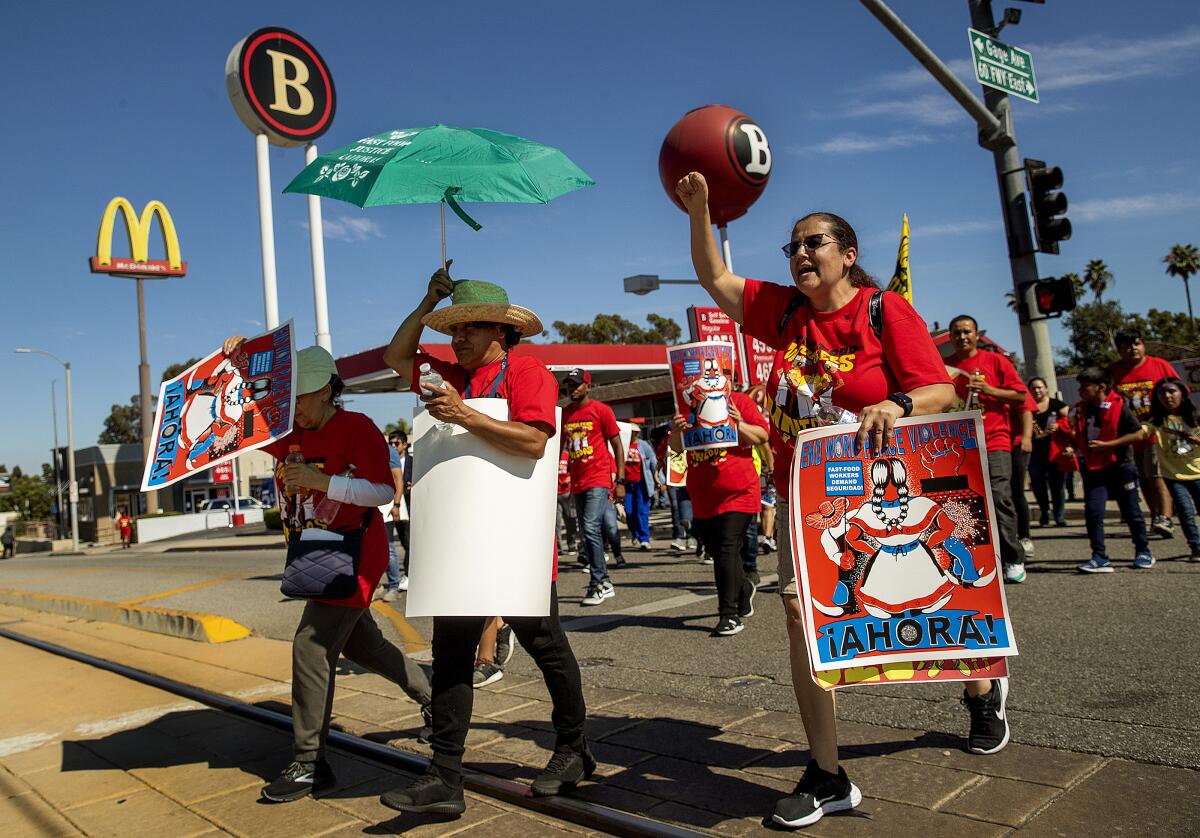
Fast-food workers rally outside a McDonald's in Monterey Park in 2023.

    Something mentioned less in last week’s sources was the effect of minimum wage increases on the price of goods at businesses affected by the raises. In order to be able to pay workers more, restaurant companies are planning to raise prices (as if California living wasn’t expensive enough) in order to pay their employees what is required by the bill. Some restaurants have left it up to the discretion of franchisees, while some companies are planning to increase prices universally. Nothing has been rolled out yet to my knowledge, but this illustrates another trade off of minimum wage increases being equity and affordability. 

        Although many of these effects sound rather bleak, the increase will affect over 500,000 workers in a sector relatively accessible to those below the poverty line looking for a job. I am also optimistic (perhaps naively) about the Fast Food Council created by this bill, intended to develop standards regarding wages and working conditions for California fast food restaurants, as I might start looking for a job this summer and have heard many horror stories from those who have worked at these establishments.

For any prospective commenters:

Will you be affected by this increase? If so, positively or negatively?
Do you agree with Assembly Bill 1228’s changes? 

Sources: