Monday, February 12, 2024

Trump Under Fire For “Unhinged” NATO Comments

Trump has a reputation for making claims and comments that may seem bewildering out of any other politician’s mouth, yet are somehow unsurprising when he says them—many of his quotes being overly exaggerated and incredibly controversial, garnering massive media attention. Aptly referred to as “Trumpisms,” his absurd lack of filter when it comes to his responses has recently struck again as Trump continues to build momentum for his campaign.


On Saturday night (February 10th), during one of his campaign rallies in Conway, South Carolina, Trump related a conversation between himself and who he said was a significant NATO ally, in which he stated that if a NATO member didn’t meet the defense spending guidelines, then he’d let Russia “do anything” to them.


“One of the presidents of a big country stood up and said, ‘Well, sir, if we don’t pay, and we’re attacked by Russia, will you protect us?’” Trump recounted. 

“‘You didn’t pay? You’re delinquent?... No, I would not protect you. In fact, I would encourage them to do whatever the hell they want. You gotta pay. You gotta pay your bills,’” he responded.
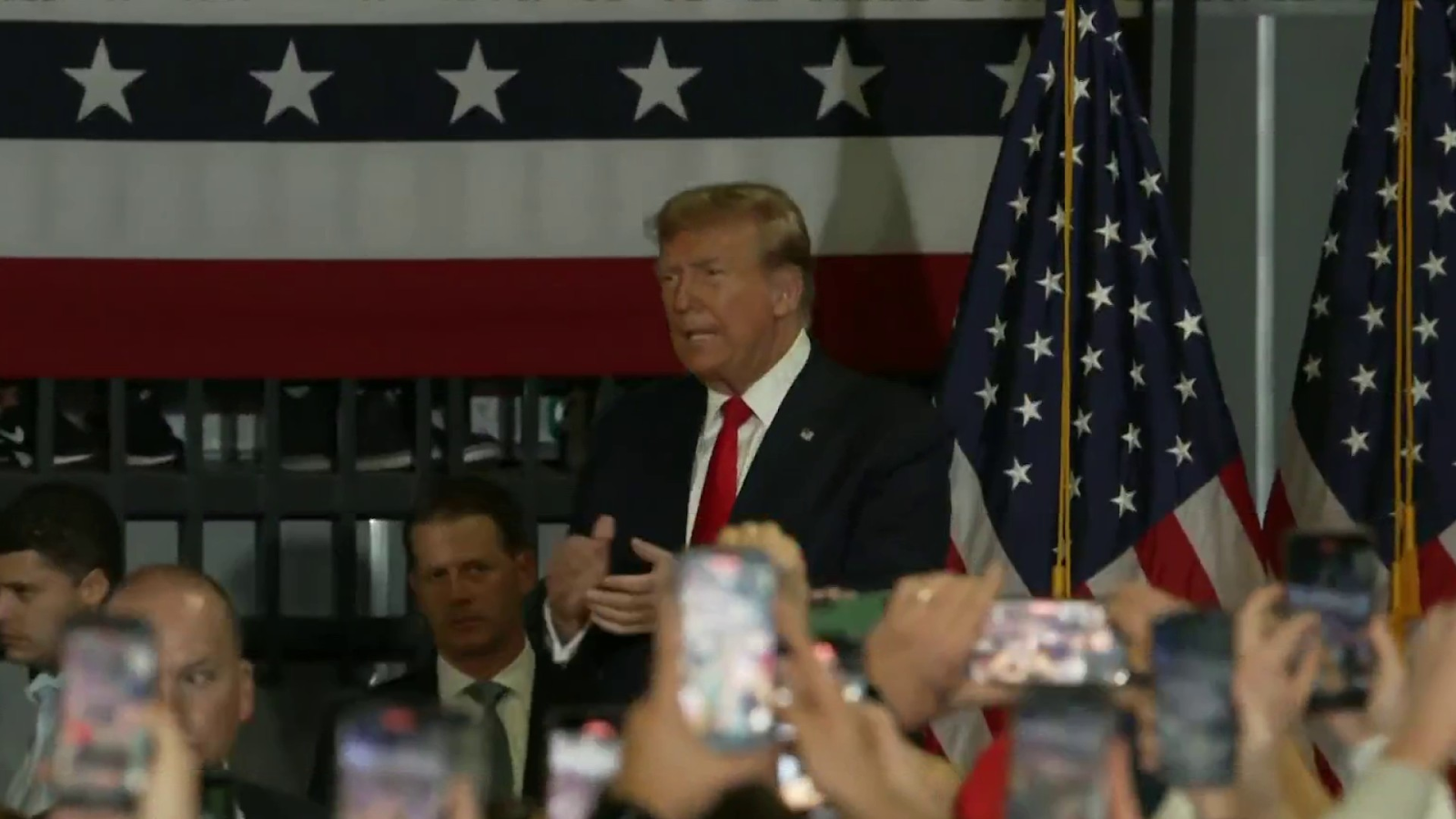

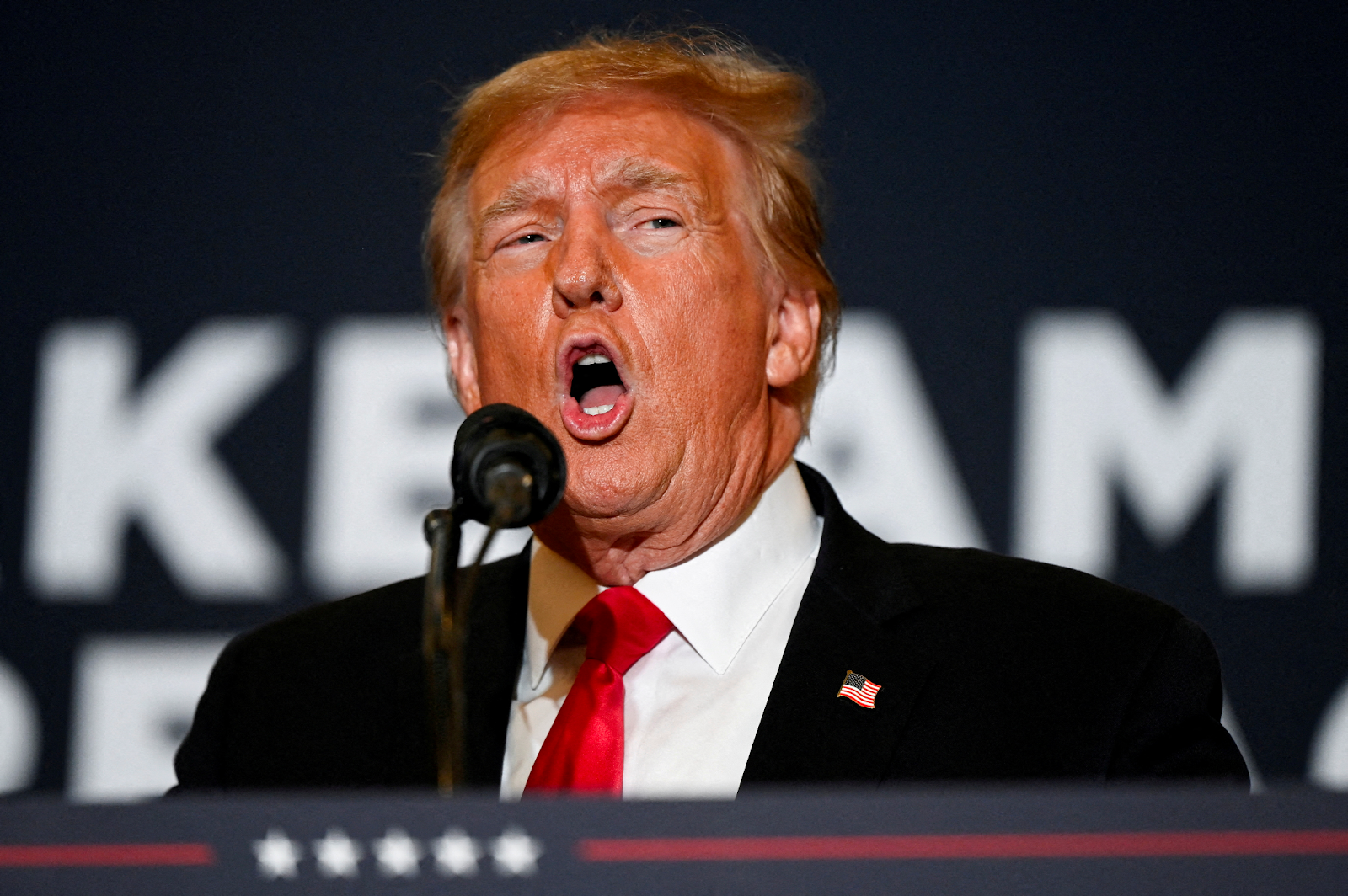
Photo from NBC News

Donald Trump speaking at his campaign rally in Conway, South Carolina


And while most of Trump’s comments generally aren’t a direct reflection of his policy beliefs, this comment stoked a large amount of angry responses, especially at a time when many European nations were worried about their own national security during the ongoing Russo-Ukrainian conflict. Any perceived lack of commitment to NATO on the U.S. side could encourage more Russian overstepping of border boundaries. Many European leaders have criticized his statements:

“Any suggestion that allies will not defend each other undermines all of our security, including that of the US, and puts American and European soldiers at increased risk,” NATO Secretary General Jan Stoltenberg said in reaction to Trump’s comments.
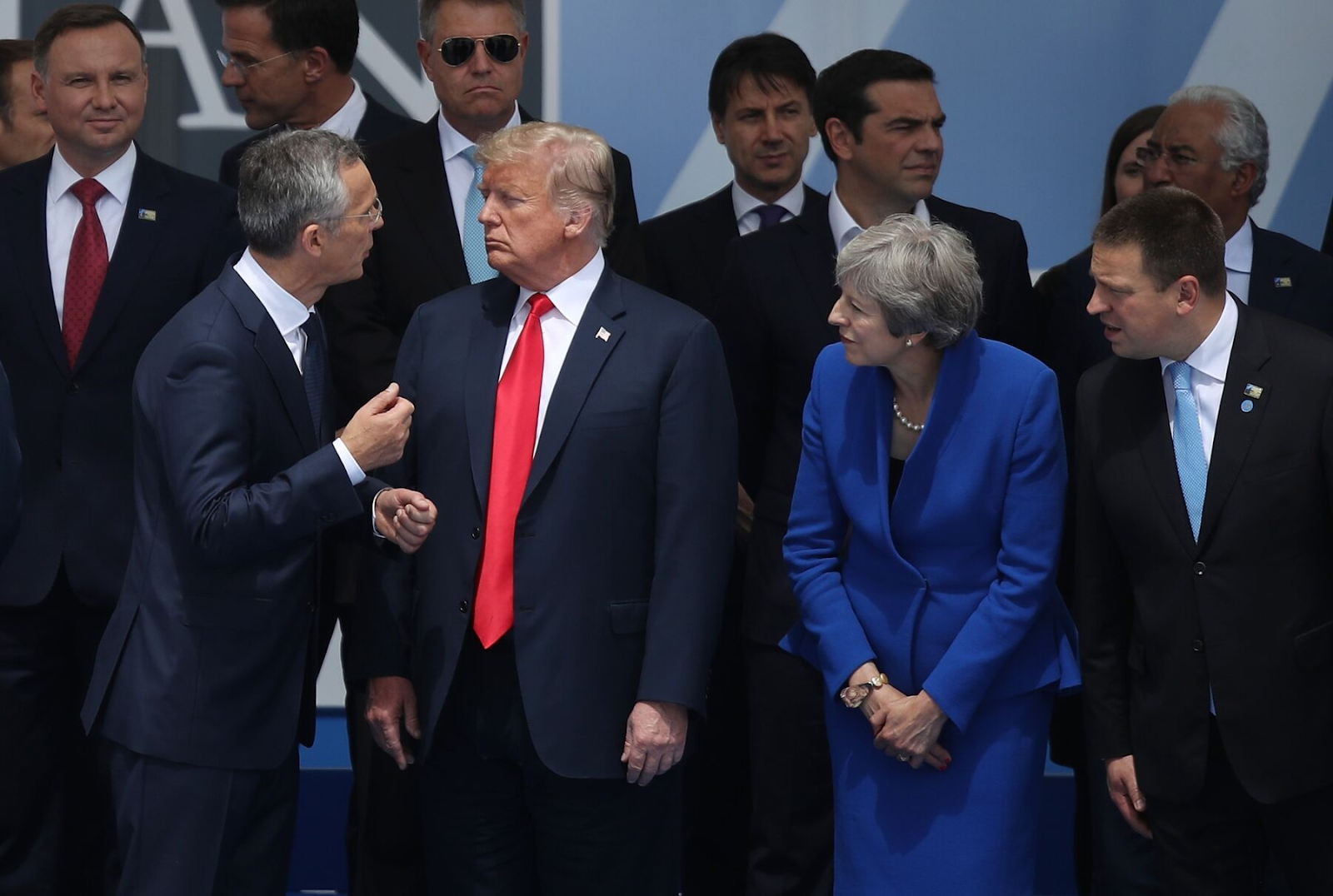

Photo from Sean Gallup/Getty Images

Jens Stoltenberg, left, speaks with Donald Trump during a NATO summit in 2018


The White House has even denounced his statements as “unhinged”: 


“Encouraging invasions of our closest allies by murderous regimes is appalling and unhinged – and it endangers American national security, global stability, and our economy at home,” said White House spokesperson Andrew Bates.


On the other hand, Florida Senator Marco Rubio on CNN’s “State of the Union” stated that others misunderstood Trump’s intentions. “That’s not how I view that statement,” he told host Jake Tapper. Rubio said Trump was simply using a story from his presidency to air his grievances about NATO. “He doesn’t talk like a traditional politician,” once again referring to Trump’s, well, Trumpisms.  


Initially created after World War II as a response to the growing power of the Soviet Union, the North Atlantic Treaty Organization now has 31 member states. Article 5 of the treaty states that an attack on any of the member states will be considered an attack on them all—this article was invoked after the 9/11 terrorist attacks on the U.S. As for defense spending, NATO members have agreed to spend 2% of their GDP as a target figure, but it is certainly not a required amount. And while some nations do fall short of the guideline, they’ve been upping their spending, “with European allies and Canada increasing spending for eight consecutive years” (Politico). 


Trump has always been critical of NATO, claiming that it takes advantage of the U.S. military power and taxpayer money without giving anything in return, despite its involvement with U.S. military operations overseas post-9/11 and giving the U.S. ability to keep a close eye on other parts of the world (most notably Russia and China) through the military alliance. His denouncement of NATO and U.S. ties to the treaty can have profound effects on the current Russo-Ukrainian conflict and NATO’s attempts to keep Russia and China in check, especially if he is re-elected for a second term and withdraws from the organization, as Trump’s past national security adviser John Bolton says he might do.


Sources:

https://www.politico.com/news/2024/02/11/trump-nato-remarks-democrats-putin-00140848

https://www.cnn.com/2024/02/12/europe/trump-nato-putin-europe-analysis-intl/index.html

https://www.cnn.com/2024/02/12/europe/trump-comments-reaction-nato-stoltenberg-intl-hnk/index.html#:~:text=In%20a%20statement%20Sunday%2C%20Stoltenberg,increased%20risk%2C%E2%80%9D%20Stoltenberg%20said.

https://cnn.com/2024/02/11/politics/rubio-trump-nato-haley-husband-national-guard-cnntv/index.html 


Emily Ren

Trump Appeals to Supreme Court for Temporary Halt on Ruling Rejecting Absolute Immunity

Last week, on February 6th, 2024, the D.C. Circuit Court of Appeals judges unanimously agreed with a 57-page decision that Trump would be eligible to be prosecuted for alleged crimes he committed while in office. This is considered a win for special counsel Jack Smith, who is charging Trump on 4 criminal counts, including conspiracy and fraud. He wants to put Trump on trial for his attempts to subvert the 2020 presidential elections. Trump quickly decided to appeal to the Supreme Court as he is the top Republican candidate and is likely to rematch with Joe Biden in November, 2024.


Today, Monday, February 12, 2024, Donald Trump’s lawyers asked the Supreme Court to pause the appeal’s court ruling for criminal immunity. His lawyers claim their ruling is “a stunning breach of precedent and historical norms;” using the Constitution’s separation of power makes it so that the court cannot review the president’s official acts and that charges are only valid if Congress impeached the president. Although Trump was impeached twice during his presidency, the Senate acquitted him both times, meaning he can run for president again. However, the statement about the charges only being valid if the impeachment has succeeded is false, and the judges dismissed it as it lacked rationality and logic. They also said that allowing a previous president to face criminal charges would ruin the presidency and be a threat to democracy. The lawyers pleaded for the lower courts to consider Trump’s immunity further.

Yet, D.C. judges counter that accusation by writing, “Any executive immunity that may have protected him while he served as President no longer protects him against this prosecution.” Although Trump was a president, his era has ended. He is now considered at the same level as any individual and subjected to criminal prosecution like anyone else; any protection he had when he was President no longer applies to him. It is to note that both liberal and conservative judges rejected Trump’s claims of immunity.


In hopes of preventing the proceedings, Trump requests the Supreme Court to grant a stay until the D.C. judges reconsider the ruling, an en banc review. An en banc is a French term used to describe a special procedure where all judges of that court, in this case, the D.C. Circuit Court of Appeals, hear a case. Trump’s application is still currently still on hold until the Supreme Court either accepts or rejects his grant. It takes 5 justices to grant a stay, 3 of whom were nominated by Trump himself.

Links:


https://www.politico.com/news/2024/02/06/trump-is-not-immune-from-prosecution-for-bid-to-subvert-the-2020-election-appeals-court-rules-00139832

https://www.politico.com/news/2024/02/12/trump-immunity-ruling-supreme-court-00141034

https://www.nytimes.com/2024/02/12/us/politics/supreme-court-trump-immunity.html


https://www.cnbc.com/2024/02/12/trump-asks-supreme-court-to-delay-immunity-ruling-in-election-case.html                                                                                                                                                              - Jessica Xia


Sunday, February 11, 2024

Biden Avoids Criminal Charges for Mishandling of Classified Documents

On Thursday, February 8, Special Counsel Robert Hur released a report on the status of the federal government's response to President Joe Biden's alleged mishandling of classified documents. Hur had been appointed Special Counsel of the Department of Justice by current Attorney General Merrick Garland on January 12, 2023, to oversee the Department's proceedings in response to the situation.

The first instance of classified documents being found in a space belonging to Biden occurred on November 2, 2022, when Biden's attorneys found a small collection of documents marked as classified in a "locked closet" while clearing out his offices at the Penn Biden Center, in which Biden had worked after completing his tenure as vice president under former president Obama. The attorneys promptly reached out to the office of the White House Counsel, allowing the found documents to be returned to the custody of the National Archives and Records Administration the following day. Three days after the statement of these findings was released, the White House confirmed rumors that had arisen of the presence of classified documents in the garage of Biden's home in Wilmington, Delaware. When asked by a reporter about the situation, Biden stated, 
"My Corvette is in a locked garage. OK? So it’s not like they’re sitting out in the street. But as I said earlier this week, people know I take classified documents and classified material seriously. I also said we’re cooperating fully and completely with the Justice Department’s review."
Special Counsel Robert Hur, appointed by Merrick Garland to oversee the investigation into Biden's handling of classified documents. During Trump's presidency, Hur was the top federal prosecutor in Maryland. (USA Today) 

As part of the updates included in the recent report, it is stated that Biden will not receive any criminal charges for the misplacement of the classified documents. This is a stark contrast from the state of former president Donald Trump's similar criminal proceedings that are occurring simultaneously -- Trump is under indictment for having resisted turning over classified documents he kept at his Mar-a-Lago estate in Florida, a situation that led to the estate being raided for these documents by the FBI. Trump and other Republicans have been keen to use the investigation into Biden as an argument against his 2024 presidential campaign, while liberals on the opposing side argue that Trump has placed himself in an objectively worse position by resisting authorities and receiving criminal indictments by making more irresponsible decisions with his classified documents.

A focus of Hur's report that has gained wide media attention is Biden's capability of interacting with others and recalling vital information, especially due to his old age of 81. According to Hur, Biden's memory struggled greatly during his interviews with the special counsel's office, with Biden failing to remember when he ended his term as vice president or when his son Beau Biden passed away. 
“We have also considered that, at trial, Mr. Biden would likely present himself to a jury, as he did during our interview of him, as a sympathetic, well-meaning, elderly man with a poor memory,” the report stated.
Biden angrily responded to this criticism during his remarks on the report on Thursday, with reporters later noting the tense mood of the room at the time.
"How in the hell dare he raise that?" Biden questioned. "Frankly, when I was asked the question, I thought to myself, it was none of their damn business."
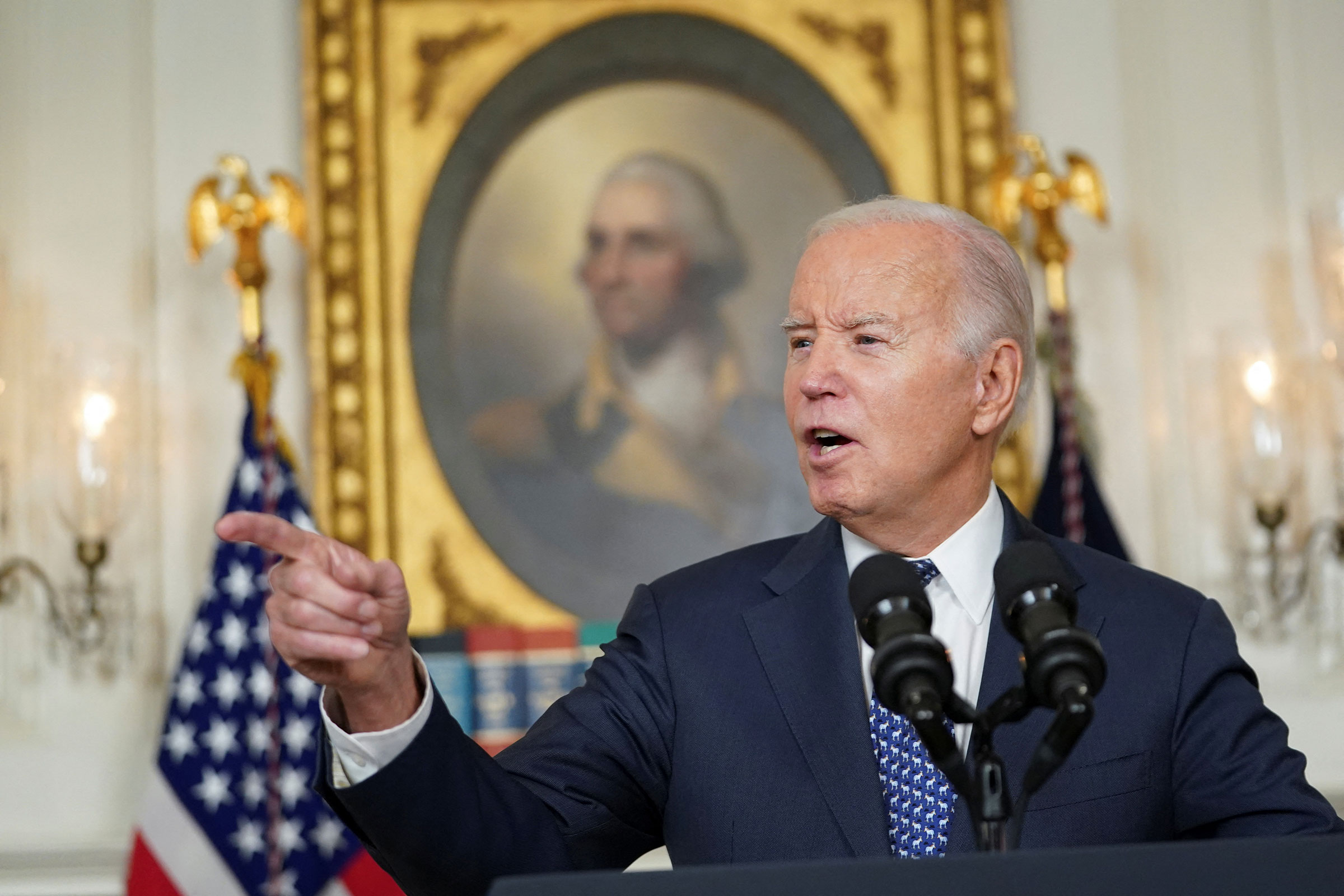
President Joe Biden delivers remarks at the White House.
    Joe Biden delivers angered remarks in the White House on Thursday after Robert Hur's report alleges that he is significantly disabled by worsening memory as a result of his age. (CNN)

According to a CNN poll, 46% of Democrats raise Biden's age as a concern regarding his presidency. Although Biden will not be receiving criminal punishment for his mishandling of the classified documents found in his office and home spaces, the lasting effects of this investigation still remain to be seen in the upcoming 2024 presidential election. The events of the paralleling criminal proceedings involving former president Trump will also play a major role in his and Biden's reputations and approval over the coming months.


Sources:

Saturday, February 10, 2024

What really happened in the Nevada Republican primaries?

On Feb. 6, Nevada held both its Democrat and Republican primaries, and on Feb. 8, it held its Republican caucus. Nevada state law requires a primary election, but the Republican party decided to hold its own caucuses, which are meetings run by the party that only Republicans can attend. This decision makes the state-run presidential primary symbolic, as only the caucus winner will receive delegates from Nevada. One candidate cannot run in both the primary and caucus.

As we learned in class, caucuses require that a candidate have strong grassroots support in the state, as participating in a caucus takes more effort and time for voters. Many believe a caucus gives Trump an advantage over other candidates, due to his grassroots appeal and the loyalty of his supporters. 

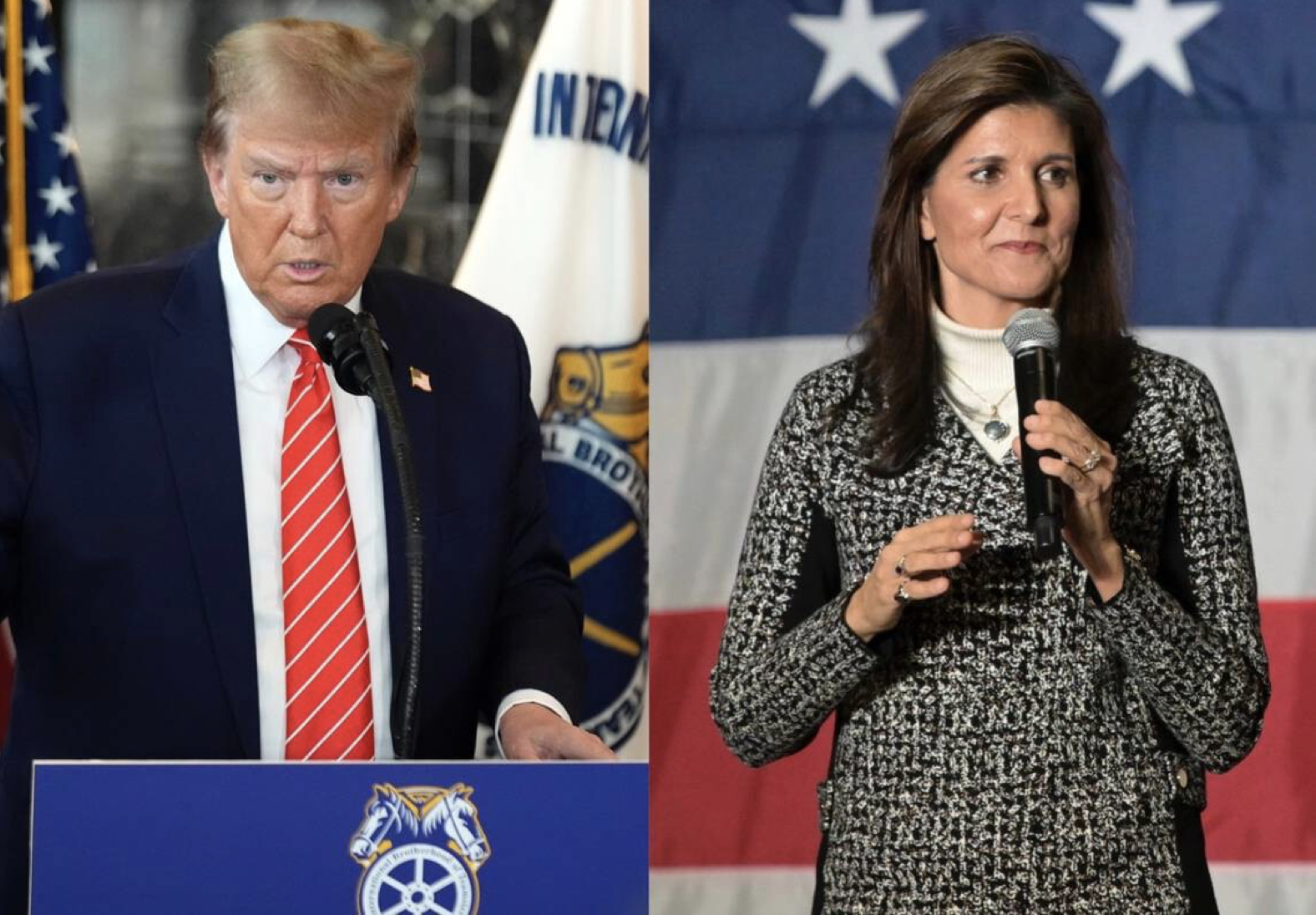
Nikki Haley chose to participate in the primary, refusing to pay $55,000 to participate in the Nevada caucus, while Donald Trump chose the caucus. Thus, Haley had no opportunity to win delegates from Nevada. Republicans in Nevada felt disrespected by Haley’s choice, as it implies she does not care about winning their delegates. Haley barely campaigned in Nevada, saying she would “focus on the states that are fair.”


Photo from Associated Press
Nikki Haley speaks at campaign event in Los Angeles

According to NBC News, the primaries confused many voters, who prepared to vote in the Nevada primaries and did not see Trump’s name on the ballot. Additionally, Republican Nevada Governor Joe Lombardo publicly endorsed Trump and said he would vote for the option “none of the candidates,” which likely inspired other Trump supporters to vote for this option to show their support for Trump.

The “none of these candidates” option was added to the ballot by Nevada lawmakers in 1976 for all statewide races to encourage participation. Post-Watergate, voters were frustrated by their options, and this allowed them to continue voting while expressing that dissatisfaction. In these primaries, this option similarly allowed Trump supporters to participate in the primaries while expressing their discontent with the way the primaries were set up.

In the primaries, the “none of these candidates” option won with more than a 2-to-1 margin over Haley. Many view this loss as a significant blow to Haley’s campaign. In the caucus, Trump won all 26 Nevada delegates.


Photo from Associated Press
Donald Trump speaks at a campaign event in Las Vegas

In my opinion, what went down in Nevada speaks to the current political climate. It reveals the loyalty and dedication of Trump’s base to turn up for the primaries to symbolically vote with the “none of these candidates” option. This in turn exemplifies how people are able to express their discontent in a democratic system through voting in elections. 

Due to the way this system was set up, there was no competition for the Nevada delegates; Trump was set to win as he was the only major candidate on the ballot for the caucus. Competition is vital for democracy, so this set-up without competition seems undemocratic.

Furthermore, it accentuates the issue of organization for primary elections. Both the state and parties independently decide how they wish to organize the primary election, which can make the final process complex and incoherent. It was troublesome to see voters' confusion between primary and caucus and the candidate's choice. We discussed in class how complicated voting processes for the local, state, and federal government made voting less accessible. I believe this is dangerous for democracy, as confusing election processes deter political participation.

What do you think about these Nevada elections? Did each candidate make the best choice given their circumstances? What could be the impact of this turnout on future elections?

Sources:

Thursday, February 8, 2024

Supreme Court Hears Landmark Case on Trump's Eligibility for the Ballot

Within months of the insurrection on the United States Capitol on January 6, 2021, spearheaded by avid supporters of then-lame-duck president Donald Trump, political scientists and commentators began to speculate on whether a little-known section of the 14th Amendment to the Constitution could be used against Trump for his role in inciting the incident. The 14th Amendment, a Reconstruction amendment protecting citizens' fundamental rights and establishing due process, has gained light for its third section, a paragraph referred to colloquially as the 'insurrection clause':

"No person shall be a Senator or Representative in Congress, or elector of President and Vice-President, or hold any office, civil or military, under the United States, or under any State, who, having previously taken an oath, as a member of Congress, or as an officer of the United States, or as a member of any State legislature, or as an executive or judicial officer of any State, to support the Constitution of the United States, shall have engaged in insurrection or rebellion against the same, or given aid or comfort to the enemies thereof...."

Due to the intention of the insurrection clause to bar individuals from office if they have engaged in "insurrection or rebellion," some have argued that Trump ought to be rendered ineligible for and removed from the ballots of the presidential primary and general elections in 2024. Trump's impeachment by the House of Representatives exactly a week after the incident on account of incitement of insurrection has provided a legal basis for proponents of this argument.

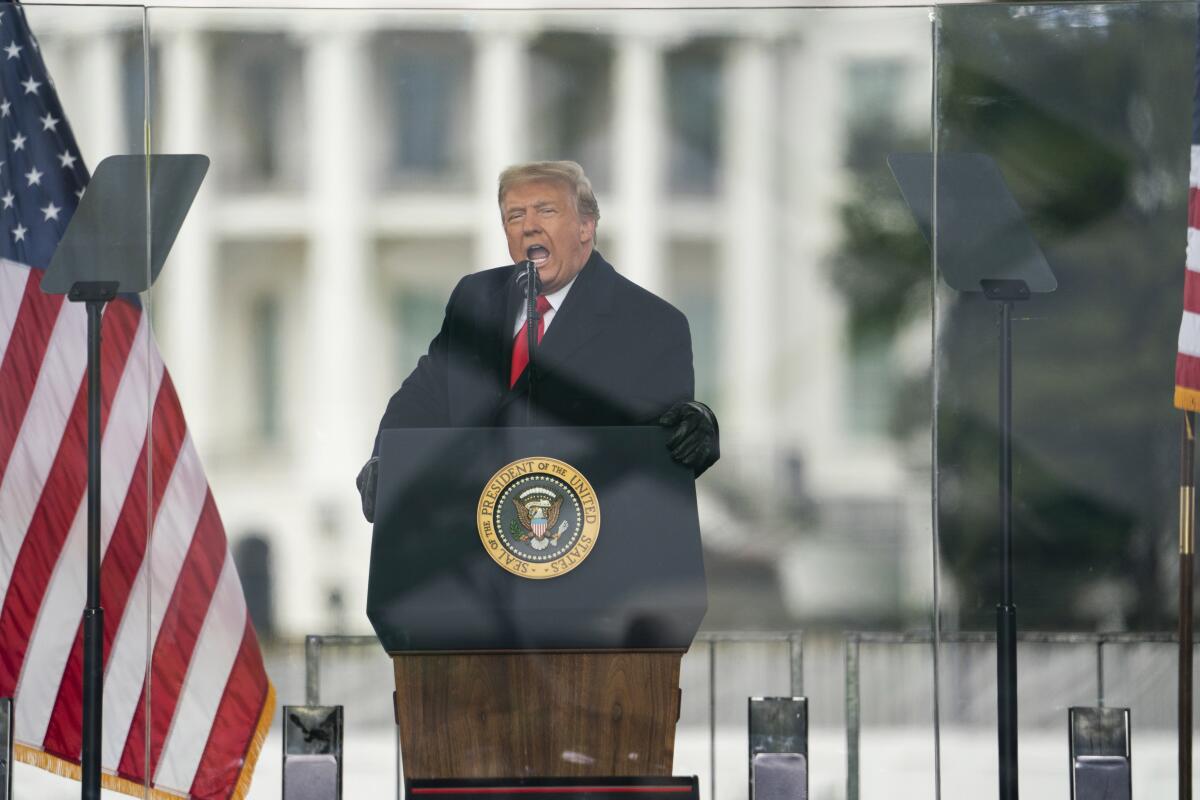
Then-President Trump speaks on Jan. 6, 2021, in Washington.

Former president Trump encouraging his supporters to march to the US Capitol Building on January 6, 2021, during the certification of Biden's victory in the 2020 presidential election. (The Washington Post)

The arguments in favor of holding Trump accountable for his actions on January 6 under the insurrection clause ultimately culminated in the case Anderson v. Griswold in Colorado. Filed on September 6, 2023, and with its final decision released on December 19, the Colorado Supreme Court determined that Trump's speech and actions towards his supporters on January 6 constitute insurrection and that Trump is liable for punishment under the 14th Amendment, leading to his removal from the primary election ballot in Colorado.

Maine was quick to follow suit and move to have Trump removed from its primary ballot on the basis of the insurrection clause. But the decisions of both states have not come without swift objection from Trump and his legal team, who sued Norma Anderson and the others responsible for the initial suit of Anderson v. Griswold in a new case known as Trump v. Anderson, approved to be heard and pushed through by the US Supreme Court on January 5, 2024. On February 8, the case underwent oral argument, with the majority of justices displaying a notable lean towards Trump's point of view that he ought to remain on primary ballots.

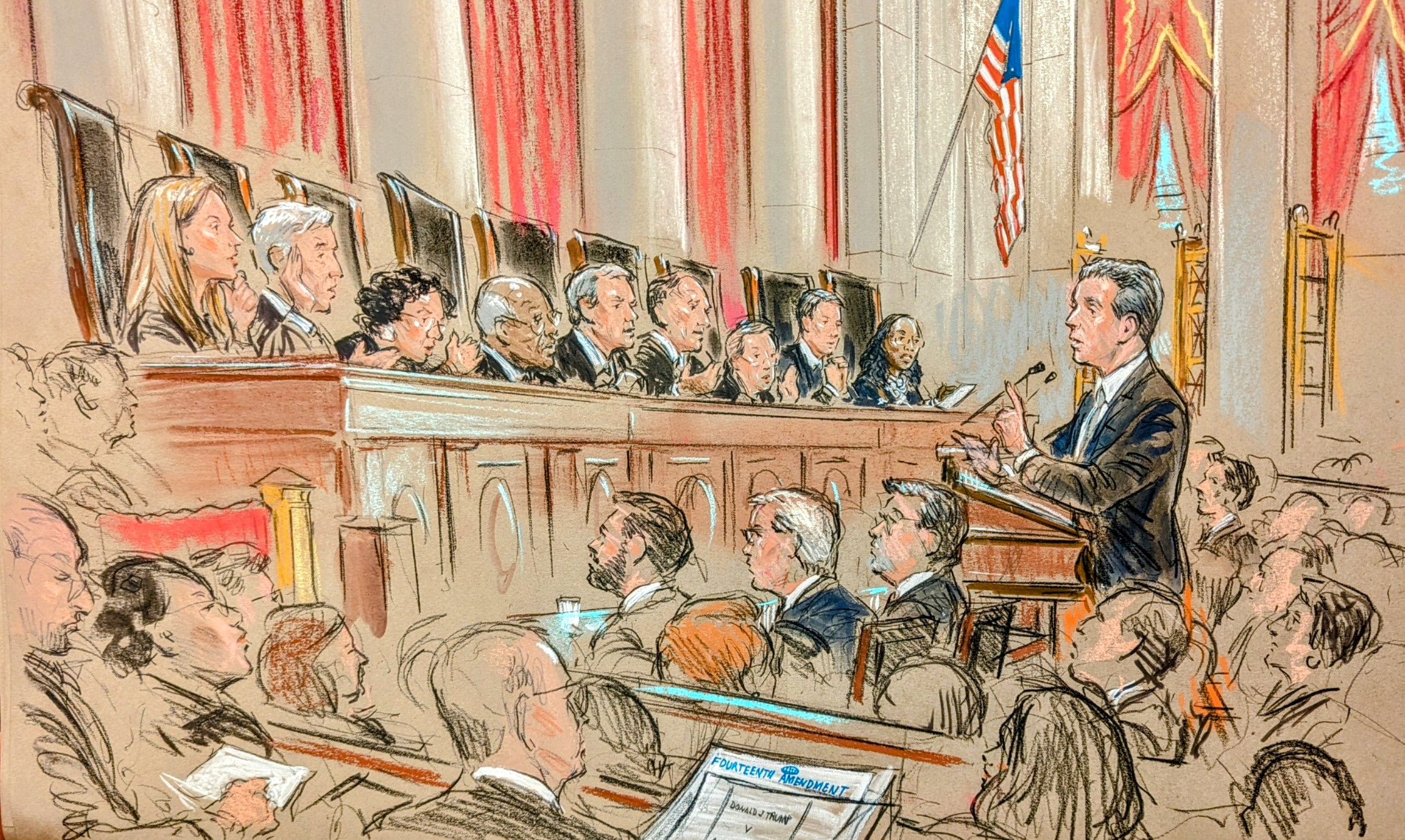
Jonathan Mitchell, an attorney representing former President Donald Trump, speaks in front of the Supreme Court during oral arguments on February 8.

During oral arguments on the afternoon of February 8, 2024, Trump's attorney Jonathan Mitchell speaks before the Supreme Court. (CNN, illustrated by Bill Hennessy)

“Your position has the effect of disenfranchising voters to a significant degree,” Justice Brett Kavanaugh argued towards an attorney representing Anderson. However, although Kavanaugh is a known conservative member of the high court, even liberal justices have proven skeptical of the reliability of the respondents' case and evidence. “Why should a single state have the ability to make this determination not only for their own citizens, but for the rest of the nation?” asked Justice Elena Kagan. Additionally, Justice Ketanji Brown Jackson, a liberal justice appointed by current president Joe Biden, noted an important point raised by Trump's representatives -- the lack of the word "president" in the provisions of the insurrection clause. “I guess that just makes me worry that maybe they weren’t focused on the president,” she elaborated.

While the final decision of Trump v. Anderson remains pending, many citizens have already used such questions and statements by the justices of the Supreme Court to make the conclusion that the Court is poised to rule in Trump's favor, upholding his placement on primary election ballots nationwide. Some left-leaning citizens may be quick to shun a development like this as a purely political act by the conservative majority of the Supreme Court, but there are also a number of liberal citizens who are not invested in the pursuance of the Trump v. Anderson case. “There is no doubt that Donald Trump is a threat to our liberties and even to our democracy,” California president Gavin Newsom explained, “but in California, we defeat candidates at the polls. Everything else is a political distraction.” Many theories and opinions such as these have already circulated and will continue to make their way into nationwide discussion, but of course, the final decision in this case remains yet to be determined.

Sources:

Tuesday, February 6, 2024

Bipartisan bill “dead on arrival” in Congress


Following months of discussion between Senate negotiators from both Republican and Democratic parties, a comprehensive, bipartisan bill was proposed. It aims to alleviate domestic and foreign national security concerns. Summing up to $118 billion, the bill provides for border policy provisions, aid to Ukraine, Israel, civilians in Gaza, the West Bank, and “others caught in conflict zones,” and for allies to protect against the Chinese government in the Indo-Pacific region.


This act by Congress would be the first on immigration in decades. It was motivated by the recent dramatic increase in the number of immigrants from Mexico seeking asylum. The border provisions, in particular, would end the “catch and release” policies at the southern border to make the immigration screening process for migrants from Mexico seeking asylum tougher and more efficient. “Catch and release” policies are defined by Republican Senator of North Carolina Thom Tillis as “requir[ing] the government to release illegal immigrants into the United States' interior after detaining them for six months, if no other country accepts them for deportation.”


Though the bipartisan bill was approved by the Republican chief negotiator, Republicans are now threatening to back out of supporting the bill, claiming that the provisions for border security are not adequate. Some Republicans are going as far as saying that the bill will encourage immigration. This backlash is led by Republican candidate Donald Trump, who called the bill a “gift to the Democrats.”


Photo from NBC News
Donald Trump (left) and Senate minority leader Mitch McConnell (right)

To me, these events reveal the significant informal power Donald Trump has, despite not currently holding an elected position. The loyalty of the Republicans to his criticism of the bill is remarkable. This phenomenon can also relate to the power of affiliations in Congress. By privately meeting across chambers, Republicans decided to present a unified front against the bill, demonstrating how forming alliances in Congress is powerful.


We can also see the impact of social media on politics through these events, as the outrage from politicians regarding the increased polarization in Congress can be felt on social media directly by the public. Democrats criticize the sharp right turn Republicans took when the bill was revealed: Democrat Senator Brian Schatz from Hawaii wrote on X: “They literally demanded specific policy, got it, and then killed it.” Democrat Senator Chris Murphy from Connecticut calls this turn of events “embarrassing” for Republicans. 


I believe this development additionally reflects what we learned about public opinion and its power in holding politicians accountable: even without elections but through polls, the public can influence their elected officials. Some Republican Congress members are hesitant to support the bill due to recent polls that reveal Republicans are less willing to send more money to aid Ukraine.


Photo from Associated Press
Speaker of the House Mike Johnson

While the Senate is more willing to pass the bill than the House is, they still face a 60-vote threshold to break cloture, which would stop the minority’s ability to filibuster. This concept is also relevant to our course, as the Senate’s capacity to filibuster makes the vote for passing the bill more difficult than a simple majority vote and hence less democratic. Though the vote will take place Wednesday, 2/7, Republicans are now requesting more time to review the bill, and it is unlikely that the vote will be successful. Furthermore, Speaker of the House Mike Johnson called the bill “dead on arrival,” capturing how, even if it passes in the Senate, more resistance will be found in the House. This development reinforces the polarization of Congress, which creates political gridlock that leads to stagnation in policymaking.


Sources:

Monday, February 5, 2024

Joe Biden Wins South Carolina Democratic Primary

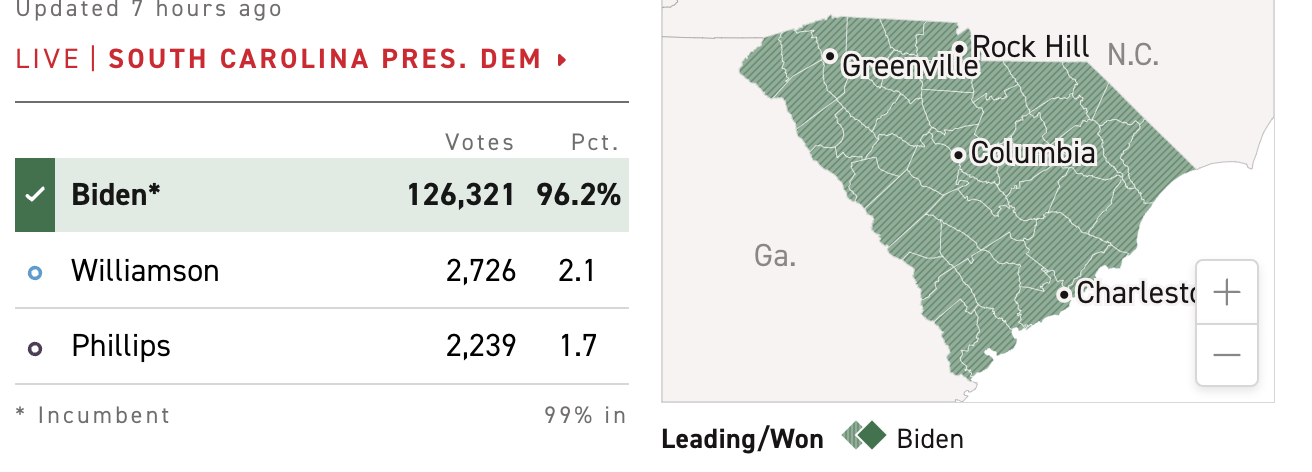
Joe Biden won the South Carolina presidential Democratic primary by a massive landslide. Competing against the former chairman and co-owner of Talenti Gelato Dean Phillips and self-help author Marianne Williamson, Biden received over 96%  (over 125,000) of the overall votes. Biden’s re-election campaign cost about $400,000 and in the end won 55 South Carolina delegates.


South Carolina isn’t the first state Biden has won over. In the New Hampshire primary, Biden won the majority Democratic votes through write-ins since his name was not on the ballot for the New Hampshire primaries. According to state law, New Hampshire was to host the first primary; however, the DNC (Democratic National Committee) wanted Biden to start in South Carolina because of his ‘not-so stellar’ track record (placed 5th in 2020) in New Hampshire and ultimately decided that he was not to participate. Biden still won through thousands of people writing his name down despite not being on the poll at 64.8%.


Biden’s overwhelming victory shows that Williamson and Phillip are not serious threats to Biden and that he will be winning most, if not all, future Democratic votes in the primaries. From the looks of it, he is guaranteed to be the Democratic Party’s nominee. The next Democratic primary will be in Nevada on February 6th, so be on the lookout if you're interested!

Links:

https://www.cnbc.com/2024/02/04/biden-nets-landslide-victory-in-south-carolina-democratic-primary-winning-96percent-of-votes.html


https://www.politico.com/news/2024/02/03/biden-wins-south-carolina-primary-00139479

https://www.washingtonpost.com/politics/2024/01/23/why-biden-isnt-new-hampshire-primary-ballot/


(if any are interested in the primary calendars/results)

https://www.nbcnews.com/politics/2024-primary-elections/calendar

https://www.cnn.com/election/2024/calendar 


Sunday, February 4, 2024

Why Will Nevada Have Both GOP Caucuses AND a GOP Primary?

This 2024 election year, for the first time ever, Nevada will hold both GOP caucuses and a GOP primary election. The US Constitution gives each state the power to conduct their own primary elections, whatever method that may be. Nevada has historically been one of the few states to hold caucuses for their presidential candidate nomination contests, but following the national shift away from caucuses after 2020 because of Covid, there has been a lot of opposition towards the caucuses. Critics emphasize the unfairness and inefficiency of caucus meetings, arguing that they only represent a small proportion of the population (often the citizens who live the closest) and are thus undemocratic because of the low voter turnout. Taking the widespread criticism for caucuses in stride, in 2021, Nevada legislature enacted a law stating that “a primary, preceded by 10 days of early voting, be held on the first Tuesday in February” (Vox). 


Patrick T. Fallon/AFP via Getty Images


Even so, many politicians believed that removing caucuses would be disadvantageous, as Nevada would miss out on the media attention and publicity that caucuses consistently gather each year. “We want to make clear that we stand together in protecting the presidential nominating schedule as it has existed for many years,” a group of pro-caucus GOP lawmakers said after the law was put in place (Miami Herald).


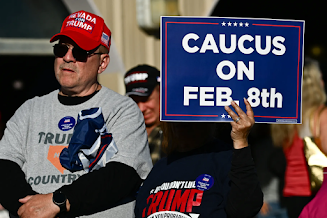
There is a lot of politics behind what happened next, but to quickly summarize, the Nevada Republican party invalidated the results of the primary election, scheduled a state caucus, and barred candidates who participated in the state’s primary from receiving delegates in the caucus. In other words, the only thing that will count in the coming election are the results of the caucus. If it seems unfair, it’s because it is. Trump will be a candidate in the caucus, scheduled for February 8, while Nikki Haley’s name will be on the Nevada primary ballot, of which the last day to vote is February 6. It remains unclear why Haley chose not to be a candidate in the caucus.


Photo from the Associated Press


So what’s the political significance of this mess? The biggest thing I have to say is that the double-election is disrupting the democratic process. As a journalist from Vox said, “Trump has effectively scooped up all of Nevada’s delegates before a single voter has even cast a ballot or entered a caucus site” (Vox). Plain and simple, it undermines a crucial aspect of American culture—our democracy, the ability we have to voice our opinions and VOTE for who we think will run our country the best. On top of that, this new system is bound to confuse voters, if it hasn’t already. The average citizen likely knows very little about the voting process in the first place, and this only blurs the procedure even more. Who knows what will happen when too many voters get confused about who is running in the primaries because they are not educated on how the election will work this year? The votes could be massively skewed.


Furthermore, it is important to note that Trump’s expected caucus win in Nevada won’t tell us anything about his actual political dominance (at least compared to prior caucuses in Iowa and New Hampshire). I think it’s reasonable to say that Nevada's results will be quite diluted because of the double-election. Because Trump’s only opposition comes from very small, relatively low-profile candidates, he will secure the victory quite easily, but the distribution of votes would be very different than, say, if Nikki Haley were a candidate. In other words, we don’t know the full extent of Trump’s fan base, which clouds our view of his true campaign support, something that could prove to be disadvantageous as the election progresses.


Sources: