Sunday, January 12, 2020

Democrats and Republicans clash on when the Supreme Court should rule on Obamacare

Demonstrators hold signs with messages like “Don’t Take My Care” and “Patients Over Politics.”
"Trump Administration wants the Supreme Court not to rule on Obamacare until after the 2020 election" by Katelyn Burns, Vox

Texas v. United States is the name of the case that's challenging the constitutionality of the Affordable Care Act (on a confoundingly trivial and pointless basis, in my opinion), and it's currently being appealed to the Supreme Court. What confused me was that Democrats wanted the Supreme Court to hear the case earlier, while the Republicans wanted this to be done after the 2020 elections. Why would the Democrats push for a case that could potentially nullify the Affordable Care Act, and conversely, why would Republicans want to delay this case? The answer, of course, lies in the context of the 2020 elections.

There are certain provisions in the ACA that are overwhelmingly popular, such as one that "lowers the costs of prescription drugs for those on Medicare" and one that prevents "insurance companies from denying coverage based on preexisting conditions" (Burns). The Democratic Party's strategy goes as so: if the Supreme Court rules in favor of the ACA, then Democrats can claim to be the party that saved healthcare; if the Supreme Court strikes down the ACA, then Democrats can blame Republicans for ruining healthcare. Republican congresspeople don't want this lose-lose case to affect their elections, which is why they want to postpone it.

This example illustrates how the judiciary is a legal and political institution. The "legal" portion involves the judicial review of the Affordable Care Act. We learned in class that which cases the Supreme Court takes is highly political. It turns out, the timing of a case, because it can affect elections, is another political factor.

This post leads me to one more conclusion about the judiciary: it's not truly independent. It's true that life terms and the power of judicial review sequester the branch, but the plethora of political influences make it so that the judiciary is not so isolated from partisan politics as we might want it to be.

Iran hostilities through a lens of Jacksonian foreign policy

President Trump’s eagerness to pardon war criminals and threaten war crimes is Jacksonianism at its worst.
"Andrew Jackson in the Persian Gulf" by Ross Douthat, NYT

This article stood out to me because it introduced a simple yet provocative way of analyzing various foreign policy philosophies (since my knowledge of foreign affairs is limited). In short, there exist certain Hamiltonian, Wilsonian, Jeffersonian, and Jacksonian tendencies when it comes to foreign policy. As you can infer from the names, Hamiltonianism refers to business-oriented motivations, and Wilsonian policy is characterized by idealism. These are the philosophies that prevail among political elites. However, most voters hold either a distinct Jeffersonian view that condemns international warfare as corrupt and unjust, or a Jacksonian impulse marked by nationalism and a preparedness for war.

As Douthat phrased it, the assassination Suleimani embodied the spirit of Jacksonianism: "the preference for a single act of vengeance over more ambitious forms of intervention, the belief in the hardest possible counterpunch, the dismissal of norms and rules and cautious habits that constrain the violence that America deals out." This spirit was what Trump campaigned on in 2016 and reflects the values of a portion of his voter-base.

The commander in chief's Jacksonian tendencies don't exist in a vacuum, however, and American policy in the Middle East is strongly influenced by lust for natural resources and will to spread democracy-- ambitions one might call Hamiltonian and Wilsonian, respectively. In practice, foreign policy is much too complicated to be accurately defined by only four viewpoints. What was meant to be a swift counterattack might have actually heightened and prolonged hostilities in Iran.

Friday, January 10, 2020

Facebook Refuses to Restrict Misleading Political Ads

Russian political ads

Despite backlash from Congress and other tech companies, Facebook has decided to continue allowing political ads that spread false information, citing that in the absence of proper blanket regulation over social media companies such as itself from Congress, it will stick with its existing policy of preferring free speech over stopping misinformation.

Restricting political ads on social media platforms is a controversial issue in Congress, with most Democrats supporting increased regulation of political slander and Republicans supporting allowing free speech, so not much has been done to change the legal status quo.

Tim Murtagh, a Trump spokesperson, claimed that unrestricted ads “encourages more Americans to be involved in the process” and limiting them in any way would “lead to voter suppression.” Instead, Facebook plans to improve transparency about who pays for the ads, and allow users to limit their exposure to political ads in general.

Twitter has already completely banned political ads of any kind, and Google has tightened its regulations on personalized ad profiles for users.

Facebook does have the valid concern that they aren’t able to properly police the vast number of ads with false information. However, I believe that even if they aren’t able to catch all the factually incorrect political ads out there, Facebook should at least do everything it can to stop advertisements that are objectively false, political or otherwise, which should dissuade other incorrect ads.

Viewing this controversy reminded me of the “freedom vs. equality” debate. Here, however, we have to decide whether the freedom of speech that we as Americans value so highly should extend to paid, false advertisements. I personally believe that advertising misinformation is bad enough to warrant limiting it, but the rest of the country may not share that opinion.

Which branch of government makes a decision about political ads (Congress could pass legislation, the president could influence Congress, or a court could allow or condemn Facebook’s conduct), which do you think it might be, and why?

Thursday, January 9, 2020

Trump Orders Assassination of Iranian General Soleimani

Image result for trump soleimani

On January 3, 2019, President Trump ordered the assassination of Qasem Soleimani, an Iranian general, by drone strike. The exact reasoning of this decision is unclear, but the Iranian attack on the U.S. embassy in Iraq and the *potential* — according to the White House administration, at least— threat of a future attack under the command of Soleimani. As commander in chief and under the Authorization for Use of Military Force Against Terrorists (AUMF), Trump can technically order this military action without Congress’ approval since his actions are not considered an actual war with Iran. By using drones, Trump can circumvent the War Powers Resolution regarding holding physical armed forces in Iran and continue the conflict without being restricted by the 60 day limit.

Trump may be using Soleimani’s assassination as a political move that diverts the press from news about impeachment and get them to move on to the next news cycle, but it seems to have backfired on him, as Republicans are condemnning the vague military briefing and the administration’s discouragement of debate on the topic, hostilities from Iran have increased, and the House has approved a resolution that should prevent the president from continuing to engage in military activity in Iran without Congressional approval.

When Trump ignores the House’s new War Powers Resolution, what can Congress do to ensure he is held responsible for both his military actions and attempts to ignore the checks and balances placed on the presidency?


Congress' Response to attack on Suleimani


I know another Trump Iran post, yipie! but the congressional response to President Trump’s actions is a particularly interesting, and important, facet of the issue that I believe should be debated on. 
Republican Senator Mike Lee from Utah called the briefing regarding the drone strike in Iran given on Wednesday by top Trump administration officials “probably the worst briefing [he’d] seen, at least on a military issue in the nine years [he’s] served in the United States’ Senate.” In a passionate address to the media, Lee illustrated that the briefers seemed to dodge questions regarding the legal and moral justification for the attack, claiming they were too classified to be discussed. 

On Thursday, the house voted in favor of a War Powers Resolution which calls to remove the president's power of using armed forces against Iran unless a declaration of war or a specific authorization has been passed by Congress, or if military actions in needed in an imminent attack. However, the resolution passed in the House is not binding, meaning the president is not forced to comply. While Speaker Pelosi and other House Democrats believe the resolution accomplishes the purpose of sending the President the message that he must first get the approval of Congress before any hostile foreign action, House Minority Leader Kevin McCarthy compared the power of resolution passed in the House to that of a New Years Resolution. 

As we have studied in the Executive Unit, the War Power Resolution used by President Trump has conditions: the president must notify Congress within 48 hours of the attack, armed forces can only remain for 60 days without approval, and 30 days are given for such removal. While President Trump did notify Congress within the permitted 48 hours, thus abiding by the law, the document given was found to be brief, lacking specifics, and classified in its entirety, preventing the public from viewing it’s contents. The briefing, as discussed earlier was seen as inadequate as well. 

Although President Trump did technically abide by the law, do you view his actions as justifiable? Do you believe there needs to be more done in Congress to address the War Powers Act? Or do you believe the Act is sufficient in protecting Presidential power while preventing tyranny?

President Trump Responds to Iranian Attack in Iraq


For those that don’t know already, last friday President Trump launched a drone strike killing Iranian general Qassim Suleimani. Suleimani was a prominent figure in the Iranian government, responsible for the death of many American troops but also extremely influential in the fight against ISIS in the middle east. On Tuesday, January 7, Iran retaliated with a ballistic missile attack on two US military bases in Iraq which according to US officials did not kill any American or Iraqi forces. 

The Iranian response led to President Trump’s televised speech on Wednesday the 8th in which he revealed he would back away from any further military actions, calling on NATO allies to become more involved in the turmoil in the middle east. Early in his term, Trump backed out of the Iranian Nuclear Deal signed by President Obama, claiming that it was too weak on Iran. Because the deal was an executive order, Trump was easily able to revoke the deal once in office. 
To me, the timing of the whole fiasco in Iran is particularly interesting. There seems to be little evidence revealing the necessity for Suleimani...but that is a whole other blog post in itself. My questions right now fall along the lines of why Trump decided that at this moment, a time where he has just been impeached in the House, when he is on the verge of a re-election campaign later in the year, to take the politically risky move of removing a prominent military official of a US adversary. 

Is it possible that this whole ordeal was simply to distract from his impeachment proceeding in congress? Or was it a political move for the upcoming election? What is your opinion? What do you believe the motives behind the Sulimani attack were?

Friday, December 13, 2019

Trump Mocks 16-year-old Greta Thunberg on Twitter


Image result for greta thunberg time person of the year


This year, 16-year-old Swedish climate change activist with Asperger's syndrome, Greta Thunberg, was named Time Magazine's Person of the Year. Greta Thunberg has inspired many with her activism and has become a symbol to many young activists around the world. She is the youngest person to have ever received this honor. In doing so, she beat out Nancy Pelosi, the Ukraine whistleblower, Hong Kong protesters, and President Trump.

In response to this, Trump decided to tweet, "Greta must work on her Anger Management problem, the go to a good old fashioned movie with a friend! Chill Greta, Chill!" In retaliation, Greta changed her Twitter bio to "A teenager working on her anger management problem. Currently chilling and watching a good old fashioned movie with a friend."

I dunno, I just thought it was kind of funny that the President was feeling kind of salty about not receiving the honor, so instead of congratulating Greta for receiving a deserved award, he instead decided to attack the 16-year-old girl on Twitter. The article linked kind of talks about the habit of bullying that Trump seems to have, but despite it, he receives little reprimanding for it.

What's your opinion on this event? Do you think Trump's supporters enable Trump's sort of bullying behavior? 

National labor Relations Board Rules in Favor of McDonald's Labor Union Case


USA Today
NY Times

In 2012, 20 McDonald's workers filed a case against the National Labor Relations Board for being fired or punished for trying to unionize and demand higher wages. the workers were seeking a ruling in which McDonald's would be considered a "joint employer" with its franchises. this would make it easier for McDonald's workers to unionize and make McDonald's liable for labor violations they commit. However, the ruling was made so that McDonald's would only have to pay a cash settlement to the affected workers.

Had this case been settled under the Obama administration, a settlement would probably have been reached that favored the workers and would make McDonald's less profitable. since the case was stretched out and determined under the new general counsel appointed by trump, many criticize McDonald's for prolonging reaching settlement until proceedings could be held under a more sympathetic Republican-appointed counsel. Consequently, many view the decision as unfair and criticize the Trump administration for siding with the company despite what had been litigated under the Obama administration.

Do you think this ruling is fair? Should partisanship be affecting a case that was previously going to be settled under different terms?

Concerns Arise About National Security Surveillance After Report or F.B.I.'s Russia Investigation

A new report highlighted longstanding issues with how the F.B.I. conducts national security surveillance.

NY Times

After a recent inspector general report about the F.B.I.'s Russia investigation, it has been revealed that the process used to obtain and renew court permission to wiretap Carter Page under the Foreign Intelligence Surveillance Act is heavily flawed. FISA was enacted in order to regulate domestic surveillance for national security investigations. However, under FISA, most targets do not know their privacy is being invaded and are not allowed to know which evidence is used against them in court.

Much of the criticism of FISA is due to the low rejection rate for approval granted combined with the errors and omissions in the evidence presented in court. This failure to follow policy has raised the question of what actually goes into many wiretap cases since they are rarely audited and challenges the validity of the FISA system. As a result, many believe some sort of reform must occur in order for it to continue.

What do you think about such an issue concerning national security? Do you think reform is necessary? If so, what sort?

Thursday, December 12, 2019

The House Judiciary Committee Prepares Articles of Impeachment Before Sending them to Full House


Representative Jerrold Nadler, the chairman of the Judiciary Committee, delivered his opening statement on Wednesday during the markup on the articles of impeachment.

ABC News <---- pretty good link to get a summary on the impeachment hearings
NY Times
The Economist
CNN

On Thursday, December 12, the House Judiciary Committee will meet to debate the two articles of Trump's impeachment. This means that the Democrats will likely be finalizing the articles regarding Trump's supposed quit-pro-quo arrangement with Ukraine and the Biden investigation while the Republicans will likely be offering amendments to the articles in efforts to oppose the impeachment. Both the committee and the full House are headed by the Democrats and thus, the case of the Democrats is more likely to be pushed forward, meaning Trump may be impeached.

However, According to The Economist article, today's political polarization will make it harder to impeach Trump. Because the Senate holds impeachment hearings and is led by the Republican party, it is unlikely that Trump will be removed from office. Removing Trump from office would require a 2/3 vote in the Senate, meaning a good number of Republicans would have to vote against their political party. Instead, it is likely that should Trump be impeached, a vote to acquit Trump will be held.

Do you think it is probable that Trump will be impeached given the situation? What is your opinion on the role of partisanship in an impeachment?

Thursday, December 5, 2019

Too much or Too little Accountability?

                                                      [Tom Toles-Washington Post]
The New Yorker

The New Yorker article discusses the impeachment inquiry from the report on Tuesday and how Trump is reacting to this impeachment process. The article emphasizes how Trump attempts to shirk these inquiries and advancements in the hearing by directing his federal officials to refuse to testify even when compelled. Additionally, Trump ordered his subordinates to "defy all duly authorized subpoenas for records." In response to Trump's behavior regarding the investigation, Adam Schiff, chairman of the Intelligence Committee, responds, "This is the result of a president who believes that he is beyond indictment, beyond impeachment, beyond any form of accountability, and, indeed, above the law."

Considering in today's class we discussed whether the president has too much or too little executive power and how oftentimes the public holds the POTUS to a certain standard that it could never amount to, this article attempt to address some of these topics. John Cassidy from the New Yorker argues that Americans are not holding the president accountable for his actions. Cassidy argues this is detrimental to a trusting relationship between the president and the public. Cassidy argues that if Trump gets away with his antics then this would set a terrible precedent for future presidents that there would be no repercussions for obvious abuses of power. This would represent the president as being above the very own law he creates, which makes for a rather hypocritical position. Also, someone who puts the national security and well-being of his constituents in jeopardy just to advance his own political ambitions might not be the best person to represent the people as a whole. Just a thought...

Oftentimes the public is suspicious of authority. To what degree should the American people be trusting of the presidency and its role and to what extent should we be skeptical?

Should the president be able to refuse to testify and even compel those under him to do so as well? What could this mean for future presidencies?

Sunday, December 1, 2019

Food or Home? Decisions decisions...


NBC News
The Guardian

When food is a luxury...

The Trump administration has proposed rule changes to the Supplemental Nutrition Assistance Program (SNAP) that include creating "stricter work requirements for program eligibility, cap deductions for utility allowances and "reform" the way 40 states automatically enroll families into SNAP when they receive other forms of financial aid" (McCausland). It is estimated that because of these changes, 3.7 million fewer people will receive assistance in an average month and 2.2 million households dropping by approximately $127.

With regards to the last rule change, this may force some families to choose between whether to have a functioning roof over their heads, or food on the table. This is especially true in metropolitan areas with dense populations and high living costs (*cough cough* California).

A counter-argument some make is that SNAP enables poor people to be lazy and does not incentivize people to work. The article addresses this by arguing that if these nutritional needs are met through SNAP programs and the like, it would actually incentivize people to work more and be more healthy in their day to day lives. Some also argue that these programs are a waste of tax payers dollars (*glare*). Ah yes, I forgot. We should spend tax dollars on trillions of dollars on the military and let our fellow citizens starve. Makes complete sense to me...

Personal opinion: The only people who call people who use programs such as SNAP or WICS or other programs lazy are those who have never been poor, never been hungry, and exemplary of what is wrong with America and humans and life in general. Why don't these people realize that the ones who suffer the most from these losses are THE CHILDREN **please note pic above** Lest I punch a wall, I will stop here. Too edgy? Too bad.

~What do you think of these changes to the SNAP?
~Are there any alternatives to the pitfalls of these programs?

To the Committee's We Go...


                                                                          [Erica Palan]
CNN Politics

Will he or will he not be impeached? This question has been a broken record recently but, alas. I shall play it just a bit more. 

As a brief, generic explanation for the process at this point, the House of Reps. has the responsibility of oversight and investigation to bring forth the charges against a particular official. For now, the House authorized an inquiry into Trump and Ukraine. Then the Senate holds the actual impeachment trials, which necessitates a two-thirds super majority to convict anyone. 

As of right now, the House Intelligence Committee has a report of the findings about the alleged quid pro quo exchanges between Trump and Ukraine and yadah yadah yadah. The Committee is allowing members to review this report on Monday before they must approve the report on Tuesday. After this, onto the next committee it goes. The report is transferred to the House Judiciary Committee before its first impeachment hearing which will serve as the basis for the articles of impeachment that will be presented. At this hearing four constitutional scholars (three chosen by Democrats and one by Republican) are supposed to testify. Apparently Trump will not be participating in the hearing. 

For some reason, maybe because it is a bit too complicated to follow (?), the committees and subcommittees are shrouded in obscurity when it comes to common political knowledge for youngsters and adults alike. For example, before taking a government/politics class, I had never known that committees were such an integral part of decision-making. In fact, most decisions are deliberated in committees, not completely on the floor. With that said...

Questions: 
~What do you think about Trump not appearing for the hearing? Is it a good call?
~Even if Trump does not get impeached, how do you think this will effect the 2020 election? 

Change Your Mind about How To Change Your Mind

[pic from article by Dawn Burke]

http://freakonomics.com/podcast/change-your-mind-rebroadcast/

Alright folks. How likely would you say you actively change your mind? This here is a rebroadcast from an episode of "How to Change Your Mind" in an embarrassingly sad way to relate to Thanksgiving bread-breaking and meeting those people in your family that you really wish you didn't have to. Ring any bells?  ...   (DINNNNG DOOOOONG)

Ahem! This rebroadcast attempts to recognize the reluctance people have to change their minds, whether that be about policy or which way you orient your toilet paper roll. Why? Because for some ridiculous reason, it is difficult for people to admit that they are wrong. Or worse........to admit that they don't know. Steven Sloman, a professor at Brown University, argues that people have this very peculiar inclination to prove that they know stuff about lots of stuff...and more stuff. He refers to this as the "illusion of explanatory depth". Apparently, people are REALLY FREAKIN' BAD at causal explanations or how things work. Take, for instance, climate change!

How much do you really, REALLY know about climate change policies? (Not a whole lot???). Sloman and a partner replicated the Rozenbilt and Keil experiment, except as it related to climate change and gun control. Participants had so much confidence in their knowledge about climate change policy, it's a wonder how their ego fits through the door on any given day. Amusingly enough, when asked to demonstrate their understanding, they failed. *gasp* Folks! This is about climate change, but it's not REALLY about climate change.

Similarly, when asked about their opinions on climate change, then asked to read an article giving certain facts/information, those with different opinions interpreted things very differently. They even became more extreme in their views after acquiring this "new information". This is because people seek out the information that affirms their viewpoints. Anyone remember the media chapter? Or seminar? Or class in general? Hellooooo school.

The point of this rant is to encourage people to do some self-reflection, myself very much so included. Do people really know anything at all? If so, why are people so blindly confident in their beliefs to the point of extreme loathing (think us v. them mentality). Think really extreme political polarization. What is going on?!?

QUESTION!
~What are some things in your lives that you believed to be true or real (e.g. religion, grades, toothpaste flavor, dog person v cat person, brand of toilet paper, love, drugs, policy, etc.) only to CHANGE YOUR MIND???
~What caused said change?

Friday, November 29, 2019

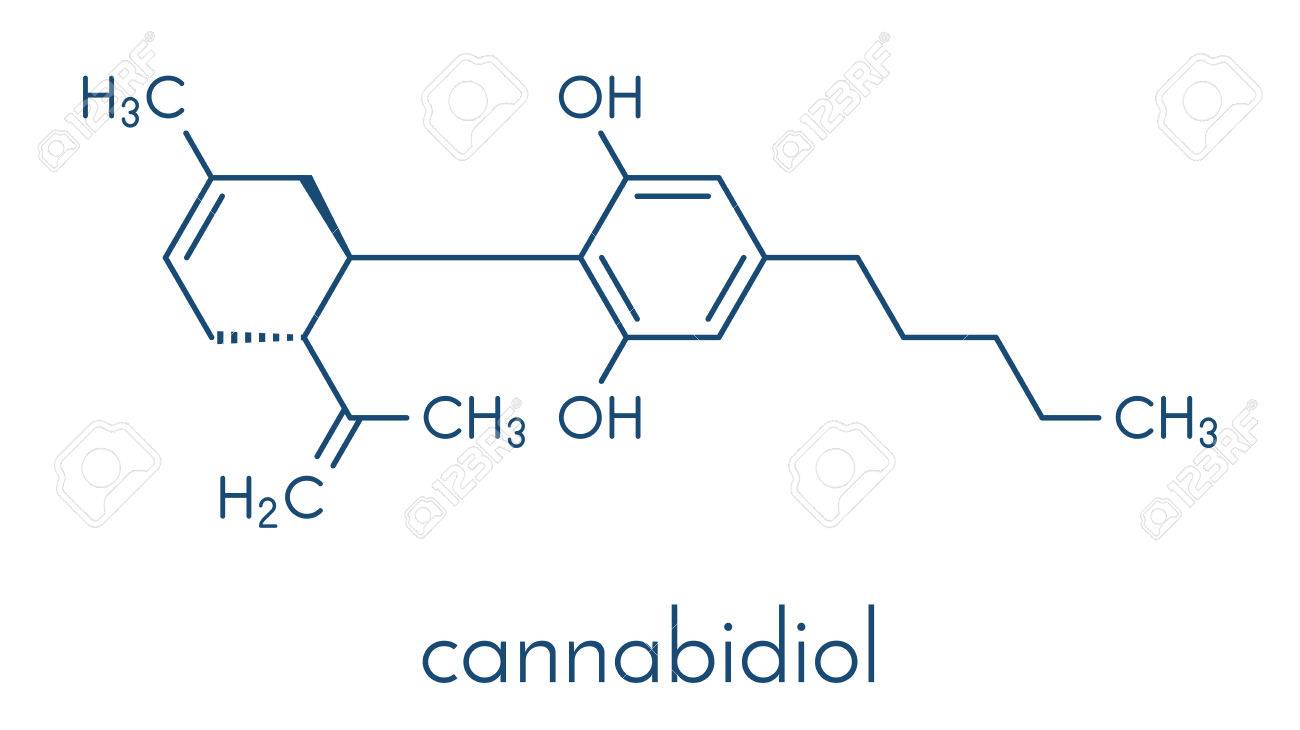
FDA and CBD Oil

Link 1


This week the FDA came out with actions against the CBD businesses that were falsely marketing CBD and its benefits. For those who don't know, CBD is a molecule in marijuana that is the "medicinal" side of marijuana. CBD doesn't cause a "high" feeling and is proven to help certain conditions like severe types of epilepsy. CBD can be prescribed for these severe types of epilepsy, but for other conditions that the FDA claims that CBD doesn't treat, it is illegal. They claim that certain companies advertise CBD to treat conditions that it doesn't actually treat, and doesn't show the damaging effects that CBD can have on the body. The FDA also put out a fact sheet (also linked) about CBD and all the effects of it. The main argument that the FDA has is the false advertising that these companies provide for the effects of CBD and the products that they are making illegally. The marketing is apparently towards children which makes it seem even more illegal. After the warnings that the FDA gave out, we'll see how this affects the CBD and the legal marijuana industry in general.

Now, time for my opinion. Anyone who knows me decently well, I live with chronic nerve pain. At one point in the past year, I wasn't getting help from anything that my doctors were prescribing so I decided to do research on and try CBD oil. There were a handful of studies done and it was determined that CBD affects the nervous system, which is why it is able to be prescribed as an epilepsy drug, and which is why it helped with my nerve pain. One thing that I noticed is that chronic pain wasn't mentioned anywhere really in this article, which is interesting because a lot of people in chronic pain use CBD. I wish the FDA covered their bases more and maybe this move would've been more understandable to me, a CBD supporter. Also, they claim that CBD affects the liver and its functions, which alcohol also does, but that isn't an issue in our society, so where does the line get drawn? They also claim that CBD is marketed towards children, but in the hours that I've spent on various websites the ads aren't for children, they're for conditions that they believe that CBD can treat. Sure, there are flavors and other ways that you can drink and eat CBD, but also, between you and me, CBD oil tastes disgusting, with and without flavor. I understand that the FDA is cracking down on illegal ways that CBD is being distributed, but the majority of people who use it are over 18 and theoretically, get a medical card, but that's extra money and maybe not applicable to the state that they live in. Moral of the story, there needs to be more published research on this drug, and the FDA needs to not scare the public as much on a drug that, as of right now, doesn't affect people's bodies more than alcohol does.

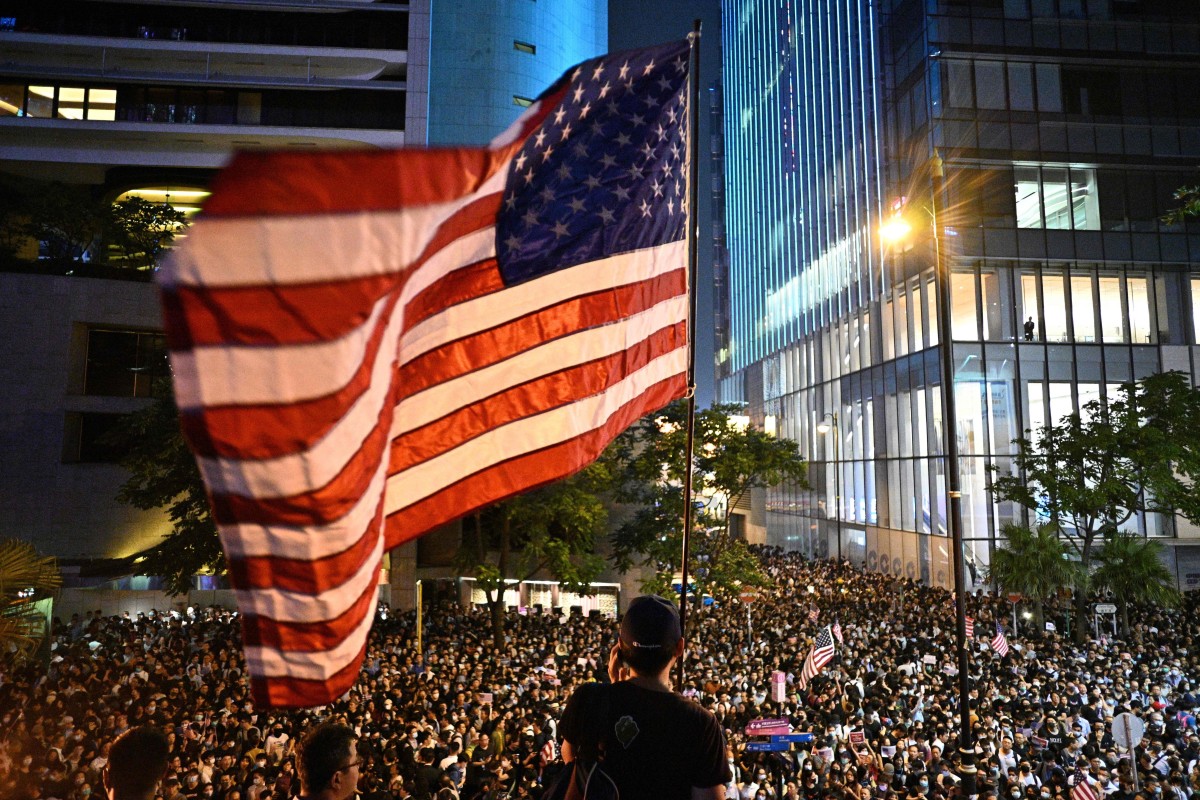
How Laws Backing Hong Kong Can Really Affect Parties Involved

Link 1

Link 2


Due to the protests in Hong Kong fighting for their own democracy, the US sent some bills through congress. These bills have a handful of purposes for them like helping Hong Kong, as well as China, but these bills could end up hurting all parties involved.

To start, these bills do protect Hong Kong, at least symbolically. Parts include that the US must review its autonomy annually from China to keep its "special status" in the eyes of the US. The US also states that it will impose sanctions on those in Hong Kong that are found in violation of human rights.   

Now, what do these laws and our economy, in general, mean when something changes. This could lead to changes in trade and also issues with alliances with large economies, like China, solely because of how important Hong Kong is to China's economy.

Do you think these issues were discussed in congress and were deemed not an issue? What do you think were the main reasons for this bill to be passed into law, symbolism? Or something else?

Navy SEAL Controversy


Link 1

Link 2


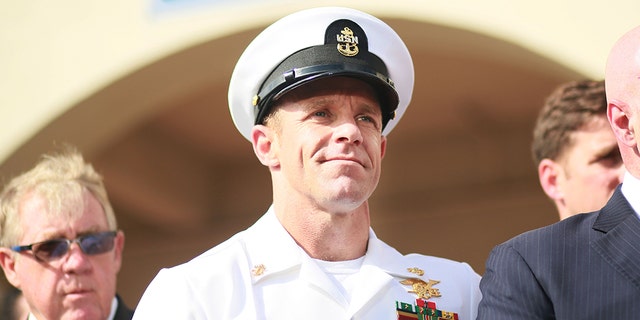
Over the past week, there has been controversy within the Pentagon, the Navy, and between them. President Trump decided to intervene with a handful of war-crime cases this week, including the case involving Chief Petty Officer Edward Gallagher of the Navy SEALs. Gallagher was accused of killing civilians, killing a captive Islamic State fighter with a hunting knife while threatening to kill other SEALs who reported him. He was only convicted of bringing discredit to the armed forces by posing with a teenage captive's body. His punishment for this was that he was to be stripped of a "trident pin" which symbolizes status and therefore a demotion. President Trump decided to defend this SEAL and try to reverse this demotion. This action angered many Navy Officials, which included the commander of the SEALs. Mr. Trump defended himself by comparing his actions to be "less" than the actions of President Obama in defending "war criminals".

In order to strike a deal, a Navy Official who worked closely with the commander named Mr. Spencer held an unofficial meeting with White House officials. This caused the Defense Secretary, Mark Esper to lose confidence in Mr. Spenser which led to his firing as suggested by President Trump.

This case is set to be reviewed on December 2nd to determine if Mr. Gallagher can continue to hold his elite position.


This situation might raise some questions about the power that the president holds. How much power does he have over the Navy and their own internal affairs? Did Trump cross a line here and how does it compare to Obama and the examples that are stated in the article? 

Thursday, November 21, 2019

Sulli’s Act Proposed to Tackle Cyberbullying After F(x) Star’s Suspected Suicide


Sources:
Metro
The Guardian
SCMP


**This is my non-government related post**

On October 14th, South Korean actress, singer, and model Choi Jin-ri (better known by her stage name Sulli) was found dead at her home in Seongnam, South Korea – following former singer Kim Jong-hyun’s suicide in 2017. The police and media assume she took her own life after struggling with receiving anonymous malicious comments online. Sulli, who was a member of the girl group f(x) from 2009-2015, went on hiatus in 2014 due to this online abuse.

Sulli’s death directed attention to the dark side of the entertainment industry in South Korea. Sulli was very outspoken and often spoke publicly about her mental health issues, anxiety, and social phobia. Many anonymous “fans” target their idols, Sulli included, for not conforming to social norms. Tragically, before her death, she was a host on a TV show that tried to educate the public about the harms of cyberbullying, even reading some comments she has received aloud.

In attempt to reduce suicide numbers in Korea, lawmakers are proposing the “Sulli Act” to counter the cruel online comments. The bill was proposed by 9 members of the National Assembly and 100 organizations support the bill. This bill will be proposed officially in December at the National Assembly. However, this law requires people to use their real identities online and is hard to enforce, while some say it’s unconstitutional.

Wednesday, November 20, 2019

Homeland Security Department sued for allegedly tracking and interrogating journalists

Central Americans seeking sanctuary in the US standing at the border. 
Photo taken by Bing Guan, one of the photographers involved in the lawsuit. 


Five American journalists from the American Civil Liberties Union filed a lawsuit this Wednesday against the Department of Homeland Security for violating their First Amendment rights. The lawsuit claims that Customs and Border Protection officials tracked and interrogated the journalists (Bing Guan, Go Nakamura, Kitra Cahana, Ariana Drehsler, and Mark Abramson). The journalists described being pulled aside multiple times when crossing the US-Mexico border between November 2018 and January 2019 for further screening where officials searched through their cameras/notebooks, some of which contained "confidential source material." The journalists had been documenting migrants moving towards the border, and when targeted, they were thoroughly questioned about who caravan leaders were, who was aiding migrants, who the "instigators" were, and other similar inquiries. Furthermore, according to Special Agent Wes Petonak, all the journalists are also on a Homeland Security dossier of 59 people suspected to be linked to the caravan, marking their headshots with a large "X" over them so that they'd be more closely watched and investigated. CBP has yet to respond to the accusation. 

If the claims are true, it definitely raises large concerns about invasions of privacy as well as the government's response to and actions regarding the border situation. Tracking and interrogating journalists when there is no evidence that they have broken a law is clearly a violation of the First Amendment. I understand that for certain situations there are debates about needing to take further actions to ensure the nation's safety, but I don't think that that claim works in this case. I believe that the motivations behind these actions are just another result of Trump's "build the wall" mentality. I also think that a part of these actions are an attempt to control the media narrative and censor journalists who are reporting unfavorable things about the border situation, which is always worrying given how much twisted news can impact the public and how this suggests that the government is keeping unsavory secrets. CBP already has a horrible reputation from its cruel and inhumane detention camps and other despicable actions so I would not be surprised at all if more foul play was occurring. 

1. Do you think there is any justification behind CBP's actions? 
2. Do you think there is a point where some personal rights should be sacrificed for the country's safety? If yes, when? 
3. What is the best way to fight invasions of privacy such as government tracking? 


Hong Kong Police Move On University Campus, Threaten Live Rounds, Retreat Before Growing Flames


Sources:
Washington Post
BBC
The Guardian


(This post is basically updating Cameron's)

As you all already know, there are many protests (also known as the “Anti-Extradition Law Amendment Bill movement”) occurring in Hong Kong right now because of the introduction of the “Fugitive Offenders” amendment by the Hong Kong government. Early Monday morning Hong Kong time, police stormed a university campus occupied by anti-government protesters for a few days, arresting protestors, using tear gas, and threatening further resistance with live rounds. The demonstrators spent Sunday trying to defend themselves against the police shooting “water cannons of stinging blue dye with petrol bombs” at them. Officers entered the campus and made many arrests. To counteract these arrests, the demonstrators started a fire to try and hold off the police. The police are now surrounding the university and firing tear gas and rubber bullets while protestors are trying to leave.
 

As of now, it is known that 10 people have died because of these protests. All 10 of these deaths were suicide. Many people have been hurt, including reporters who have been caught in line of fire and have been hit.

This connects to people’s rights to protest. People are allowed to have their own opinion and thoughts on what the government is trying to enforce on them. The people in Hong Kong are protesting against a law, voicing their opinion. At first, the protests were calm, then they began to escalate in the airport and now this. In Hong Kong, the freedom of assembly is protected under Article 27 of the Basic Law and Article17 of the Bill fo Rights and freedom of speech is also protected under Article 27 of the Basic Law. The police interfering and harming people directly contradicts these rights that people are given. It makes no sense to me.

Honestly, this is very worrying to me because next summer, my family and I are going to Hong Kong for a wedding. I’m hoping the violence clears up by then, but this protest has been going on for 6 months and has been getting more intense every day.

  1. Do you think things will eventually get better? Or will they escalate even more and get more violent?
  2. It’s been 6 months, why hasn’t anything been fixed yet?
  3. Considering the amount of backlash the law has been getting, why hasn’t the government done much?