Sunday, September 8, 2024

Russia is running out of Yuan :(

Warning: This article is economics-heavy and thus will be confusing for most readers.
Note: All figures, unless specified are denominated in USD. This basically means that when I say $1 million in Yuan, that's equivalent to the value of $1 million US dollars converted to Yuan. 
Note 2: I'm going to try to include footnotes -- whenever you see [1] or [3], go to the bottom of the page and find the corresponding number if you want some more information.

-------------------------------------------------------------------------------------------------------------------------------

On Friday, in a report authored by the Bank of Russia, the central bank urged other banks to basically minimize the amount of loans denominated (or using the currency of) in Yuan, the official currency of the People's Republic of China. The Russian Central Bank aims to only sell about $200 million yuan per day, compared to the (about) $7.3 billion that the bank was selling per day in the past month, a 97% decrease in the amount of yuan that the Central Bank is willing to sell per day. This is especially concerning considering that according to Bloomberg, the Yuan "accounted for 99.6% of the Russian foreign exchange market."

To illustrate the significance, imagine this scenario: You own a lemonade stand, and you make a lot of lemonade bucks. However, no real company organization wants your lemonade bucks -- meaning you can't (for example) buy another lemonade stand, buy the ingredients for lemonade, or buy paper cups. But you can buy these things in CARES Cash (CC). So to solve your problem of not being able to spend your currency, you go to one of your friends, who has some CARES Cash (CC), and basically every day, you give him 25 lemonade bucks for 5 CARES Cash (CC).
        And your friend is friends with a really big number of people, and converts a bunch of other people's lemonade bucks into CC too. Let's say in total, he gives out 1000 CC per day and gets 5000 lemonade bucks.[1]
        All of a sudden however, he tells everyone that he doesn't have a lot of CC, and that from now on, he can only give out 30 CC per day, a 97% decrease from how much he used to trade with everyone from before. Clearly, you (and everyone else) are super scared, as you need CARES Cash in order to buy lemons and sugar and paper cups, and without CC, you can't buy anything and keep your business going.[2]

Well, that's the situation that some russian companies find themselves in currently. In my analogy, you (the lemonade stand owner) would be a company, the lemonade bucks are the Russian Ruble, the CARES Cash is the Chinese Yuan, and the friend that you go to for CARES Cash is the Russian central bank.

So why did this all happen? Well, when Russia invaded Ukraine in 2022, the United States and almost all countries in Europe put sanctions on Russia and its allies who were involved in the war. Roughly speaking, sanctions are basically economic penalties applied to a nation. For example, American companies were not allowed to do business with Russia. Overall[3], this meant that the stored up foreign reserves of US dollars by the Russian Central Bank couldn't be spent and thus was (and still is) worthless. Ditto with the Euro. Furthermore, with the freezing (and seizing) of assets belonging to Russian oligarchs, Russia essentially lost a lot of its currency stored offshore.[4]

What this meant to Russia and Russian International Companies is that it was basically barred from using 3 of the 4 major foreign currencies (the Euro, the US dollar, the Japanese Yen[5]) to pay for things, leaving them with only 1 currency, the Chinese Yuan.
And since Russia and China are pretty close, Russia has been able to use the Yuan to stabilize its own currency and help its own companies pay for international goods and services.

However, with the recent new wave of June sanctions, Chinese businesses and corporations have been reluctant to help out the Russian government and businesses, for fear of being sanctioned by the United States and losing an important customer. Thus, there has not been steady Yuan cash flow between Chinese businesses and the Russian economy as a whole, leading to our current situation now -- where Russian banks have run out of Yuan to lend, and without money to lend, economic growth will slow within the Russian economy. Only time will tell what the implications of these cuts are, and how the Russian economy as a whole will react and be affected.

Vladimir Putin and Xi Jinping
Xi Jinping and Vladimir Putin in Beijing for talks in May. Source: Getty Images


Notes:
1. By this metric, you would be getting 0.5% of the CC exchanged per day, or if this was in the real-world, around $36 million (in Yuan) of the total $7.3 billion that's being traded out every day. That's a lot of money.
2. The trading lemonade bucks for CARES Cash in formal economics terms is called a Foreign Exchange Swap.
3. Ok this is more nuanced but basically the US also put sanctions on countries that were helping Russia, such as China. So even though Russia could give all their USD to China, Chinese companies wouldn't really be able to spend it. Now of course you could technically "launder" it through other Chinese companies, but the main problem is that since most of the money is digital (e.g. when you buy a bunch of stocks, you don't usually get pieces of paper saying you have a stake in some company), the US can simply refuse the money and the money is once again basically useless. I guess maybe BRICS could get some use out of it....
4. From this lecture (at around 40:30), it is interesting to note that the Soviet government before its collapse moved a lot of assets offshore. Most likely this is (was?) still happening.
5. Recently the Yen has had stability issues but since Japan is allied with the US and Western countries, Japan also applied sanctions on Russia.

-------------------------------------------------------------------------------------------------------------------------------

Sources:
Bloomberg - Russian Liquidity Problems, Bloomberg - Russian Yuan Shortage, Reuters, Business Insider, Fortune


Gavin Newsom says Veto to California Bill that would have Offered Housing Loans to Undocumented Immigrants

gaven
On Friday Gavin Newsom Vetoed a Bill that would have given Undocumented Immigrants eligibility to house-loans 
Andrew Harnik/TNS, The San Franciso Chronicle


Undocumented immigrants have been a hotbed of controversy in the U.S. -- partly because more and more come in every single year, but also because it raises the question of what to do–should we give them the same benefits that we give to registered citizens, or do we try to push them out because they are undocumented? 

The issue with undocumented immigrants has been brought to the spotlight in California when Joaquin Arambula, a Californian Democrat, authored the Assembly Bill 1840 that would have given immigrants without legal status eligibility for house-loans up to $150,000 under the state program California Dream for All. For context, there were 1.8 million undocumented immigrants in 2022 residing in California, according to Pew Research Center. This figure has slightly declined in recent years, but California still ranks number one in terms of the undocumented immigrant population within the country.

However, this Friday, California Governor Gavin Newsom refused to sign the bill, claiming that “expanding program eligibility must be carefully considered within the broader context of the annual state budget to ensure we manage our resources effectively.” Newsom justifies his decision by pointing out how the state program, California Dream for All, has no money left after using over $500 million, which was reserved for the program, to provide financial assistance to over four thousand families. Newsom further comments, “The bill that was sent to me was a program that had no money.” By claiming a lack of funds, Newsom seems to imply that there are more important matters to focus on, in spite of the huge undocumented immigrant population. 

Although Newsom is a democrat, this decision to veto the bill appears to align with what Republicans want. Responding to the bill proposed by Arambula, Republican state Senator Brain Dahle agrees with Newsom’s overturn of the bill, saying “This was a bad idea. We don't have the resources available.” Other Republicans have criticized the bill, claiming that legal residents should be given priority for house-buying assistance, and that this bill would take away opportunities that citizens deserve. 

Arambula, the framer of the bill, was “deeply disappointed” when he heard about Newsom’s decision, arguing that it was more about the symbolism than anything else. He explains, ““The veto doesn’t change the fact that many people–including undocumented immigrants–dream of owning a home so that generational wealth can be passed to their children.” Arambula makes a fair point of the bill’s intended purpose, but what has already been done in the state for undocumented immigrants is important to consider. Over 700,000 immigrants without legal status gained free healthcare via access to Medicaid earlier this year from a decision that Newsom made two years ago to expand healthcare access to everyone, including undocumented immigrants. Holistically, California has already contributed much effort to helping undocumented immigrants, so was this bill too much to ask for? 

Well, as an added perspective, we can look at Newsom’s decision to veto in the context of the current political scene. This year’s presidential election is a fierce one, with both Democrats and Republicans pointing fingers at each other. Just this Thursday, a day before Newsom vetoed the bill, Trump called out Democrats at the Economic Club of New York, attacking them for being lax on matters of immigration and threatening to ban mortgages for illegal migrants in California. Given the timing of Trump’s statement and Newsom’s decision to veto the bill a day later, could it all be a coincidence, or was what Newsom did partially motivated by the election? 

As our country moves forward, the issue of undocumented immigrants becomes increasingly apparent. The real question, then, is what will happen to undocumented immigrants in the future. 

(For added context, banks are authorized to provide mortgages to undocumented immigrants, but this happens very rarely)


Sources Used:

https://www.pewresearch.org/short-reads/2024/07/22/what-we-know-about-unauthorized-immigrants-living-in-the-us/

https://abcnews.go.com/US/wireStory/california-governor-vetoes-bill-make-immigrants-legal-status-113472518

https://www.usnews.com/news/top-news/articles/2024-09-06/california-governor-vetoes-bill-to-help-undocumented-immigrants-buy-homes

https://www.nytimes.com/2024/09/06/us/immigrant-california-home-bill-veto.html

https://www.latimes.com/california/story/2024-09-06/newsom-vetoes-bill-that-would-have-offered-home-mortgage-aid-to-undocumented-immigrants


Saturday, September 7, 2024

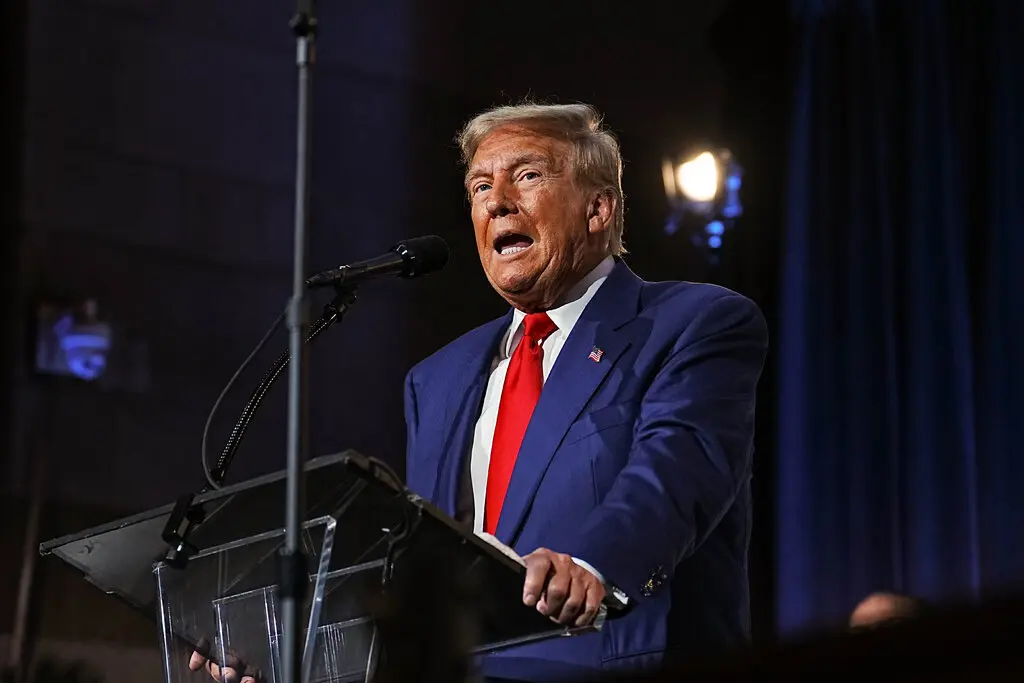
Trump's announces his Economic Plan: Lower Taxes, Higher Tariffs, and a new Government 'Efficiency Commission'


Credit...Former President Donald J. Trump speaking at the Economic Club of New York on Thursday
The New York Times

“My plan will rapidly defeat inflation, quickly bring down prices and reignite explosive economic growth,” is what Trump promised, this Thursday, at the New York Economic Club. Known for his bold claims and proposals, Trump is promising a whole lot in this upcoming election under the pressures of an inflated economy and increasing U.S. national debt. 

Trump claims that the first action he will take, if reelected, is to reduce taxes. He wants no tax on tips and Society Security benefits, expanded R and D tax credits, one-hundred percent bonus depreciation, and most importantly, a reduction on corporate taxes from 21% to 15%, but solely for companies that manufacture their products domestically. With this surprising condition of the tax cut, Trump seems to want to spur domestic production as a way to prop up the economy. Not only that, these proposals are similar to the tax cut he enacted in 2017 where he slashed corporate taxes to 21% from 35%, and as part of his economic campaign, Trump also wants to extend his 2017 tax cuts, which expire next year.

In comparison, Democrat and presidential competitor Kamala Harris’ economic plan is much different. She outlines a corporate tax increase to 28% from 21%, but aims to balance this by trying to incentivize new businesses–her goal being 25 million new business applicants–through a $50,000 tax deduction waiver for small businesses.

Trump’s reasoning for the tax cuts–to promote domestic production–looks to be wobbly in front of Harris’ plan; unlike Harris’ proposal, there is no equalizer for the tax cuts in Trump’s economic plan. The chances of domestic production filling the hole left by a deduction in taxes are slim, and begs the question: will Trump’s new proposed tax cuts really help the economy? Although his 2017 tax cuts did indeed fare well economically, it only did so for a short while before the repercussions caught up. After a year, the tax cuts actually widened the national debt. If Trump’s tax cuts failed the economy, how will lowering taxes again benefit the economy, if the result is a bigger deficit than before?

Interestingly, Trump’s answer to the question lies in increasing tariffs. Specifically, he plans to increase tariffs on national goods to anywhere between 10% to 20%. Moreover, he wants to place a 60% tariff on imports from China (this appears to fall in line with his emphasis on domestic manufacturing). His reasoning? To 1) generate revenue to pay for his proposed tax cuts–which he estimates to be trillions of dollars 2) protect working-class jobs and punish “unfair trading practices,” and lastly 3) help families afford childcare. 

Though the first reason is valid, but may prove to be insufficient, the last two are a bit questionable to say the least. Trump claims that these tariffs will protect working-class jobs, but existing tariffs on imported goods have already cost Americans more than $230 billion in a report by the US Customs and Border Protection. Furthermore, in a paper published by the Peterson Institute for International Economics, Trump’s call for increased tariffs would cost middle-income families an estimate of $2,600 a year. More tariffs means higher prices for the imported goods that Americans enjoy. While the 20% international tariff and 60% tariff on China would account for the tax money lost by tax cuts, the general American public is still paying for these tariffs, via the higher-priced imported goods. The third reason, childcare, which Trump justifies his tariffs by, saying that they “[will] be taking in trillions of dollars, and as much as childcare is talked about as being expensive, it’s–relatively speaking–not very expensive, compared to the kind of numbers we’ll be taking in.” This however, does not add much value to his economic plan–there’s already a burden from the tax cuts, and on top of that, middle-class families will be affected by these tariffs, so why is child care a priority of this tariff proposal? Clearly, Trump is blowing the potential impact of these tariffs out of proportion, and by linking it all together, his economic plan is deeply flawed, as it relies on the successes of his proposed tariffs–which may not even work out in the end. 

There is some hope to Trump’s economic plan, and that is the establishment of a new government sector: an efficiency commission. Trump adds on, explaining that the goal of the commission is to “conduc[t] a complete financial and performance audit of the entire federal government.” What’s surprising is that he fully consents to letting Elon Musk, CEO of Tesla, SpaceX, and X (formerly Twitter), be in charge of the commission. Inviting Musk into the efficiency commission looks like a desperate move on Trump’s part, and given that SpaceX–one of Musk’s companies–is a government contractor, there is much debate and controversy between this unexpected collaboration. 

Perhaps the best summary of Trump’s economic plan can be explained in terms of the four P’s (power, policy, process and politics) covered in class: Trump, who has political power as a former president and current candidate for the upcoming election, is proposing his economic plan, consisting of policies–like tax cuts and tariffs–that will eventually be part of a process to be enacted or rejected, to assuage concerns about the economy especially in a time of inflation and high national debt.


Sources Used:

https://www.reuters.com/world/us/trump-adopt-musks-proposal-government-efficiency-commission-wsj-reports-2024-09-05/

https://www.nytimes.com/2024/09/06/business/dealbook/trumponomics-trump-economy.html

https://www.nytimes.com/2024/09/05/us/politics/trump-elon-musk-efficiency-commission.html

https://www.pbs.org/newshour/show/comparing-trumps-and-harris-differing-ideas-on-how-to-boost-the-economy

https://www.cnn.com/2024/09/05/business/trump-economy-tariffs/index.html

https://www.cnn.com/2024/09/05/politics/trump-economic-plans-musk-government-commission/index.html

https://www.ft.com/content/f9f6b40c-7f00-49aa-883e-b82df6d76267

https://www.pbs.org/newshour/politics/watch-live-trump-delivers-remarks-at-economic-club-of-new-york-luncheon

https://apnews.com/article/trump-economy-harris-corporate-taxes-15ba5ecfdf5e907bd9b2c349b07222b8

https://thehill.com/homenews/campaign/4863990-trump-economic-agenda-elon-musk-commission-immigration-crackdown-tariffs/

Influencers unknowingly disseminate Russian propaganda

Russia distributes propaganda. That much is already known by the majority of the public. Yet a recent DOJ indictment and press release reveals that Tenet Media, a Tennessee based media network headlined by 6 well-known conservative influencers, was secretly backed by Russian money made with the intent to promote views in accordance with Russian viewpoints.

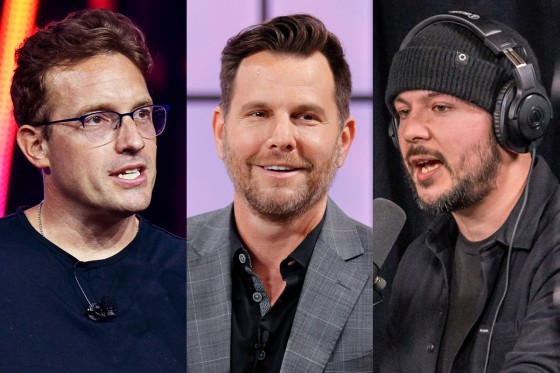
For a brief overview of the company, Tenet Media was a company founded in January 2022 by the conservative couple Liam Donovan and Lauren Chen. From its founding, Tenet Media pumped out huge quantities of videos headlined by conservative influencers such as Tim Pool and Dave Rubin that focused heavily on divisive issues such as immigration, the election, and various conspiracy theories pushed by right-wing groups (you can find some of their videos here). At its peak, the channel had around 2 thousand videos and boasted upwards of 300,000 subscribers as well as a total of around 16.6 million views, although the median view count per video sits at around 1,000. Since the indictment, however, Youtube has terminated the group's Youtube channel as well as the channels of co-founder Lauren Chen, and most of the group's conservative headliners have tried to distance themselves from Tenet Media and their participation in it.

So what is the indictment really about? Well, according to the Department of Justice (DOJ), Tenet Media is one of several organizations backed by Russian perpetrators in an attempt to influence the 2024 Presidential Election, through spreading misinformation in an attempt to both convince individuals to feel more sympathetic towards Trump as well as widen existing divisions already present in US politics.

As NBC notes, Tenet Media is simply an example of Russia's decades-old strategy to spread propaganda through seemingly independent actors, in this case conservative headliners, in order to influence public or individual opinion. And this is clearly not the first time. Famously, the Russian Government was found to be interfering in the 2016 and 2020 US Presidential elections. Russia has also been documented spreading misinformation in Ukraine and Africa and more recently, Russia was found to be supporting pro-Palestinian influencers. Clearly, the Russian Government sees a very strong need to continue influencing global politics and as the The New Republic (a left leaning news source) points out, despite the continued deterioration of the Russian economy (see Russia is running out of Yuan :(), there is still a sizable budget devoted towards influencing the upcoming US election. 

How some of the internet's most popular pro-Trump pundits ended up as paid  messengers for Russian propaganda
3 of Tenet Media's 6 hosts. From left to right, Benny Johnson, Dave Rubin, and Tim Pool. Source: Tenet Media


As we discussed in class and in the socratic seminars this past week, the media plays a huge role in shaping public agenda and public opinion -- the media is a major linkage institution that brings the public's problems and ideas to the policymakers and individuals in power in government. Thus, contaminating the media with ideas and ideals that are not actually held by the American public gives a false impression upon those in powers as to what the policy agenda (the most important issues that officials pay serious attention to) is and what their views should be, leading to skewed policies that don't actually benefit the people but rather the entities (in this case governments) that contaminated the media.


Thus, taken as a whole, this Russian propaganda campaign, although debatable in it's success (10 million dollars for mere thousands of views...?), represents and reminds us (the public) of the fact that elections are more than just national events, and that various competing governmental organizations are trying to influence the election -- whether that be this disinformation campaign, or perhaps Ukraine's invasion into Russia, showing the US and the Western hemisphere that the war is not, simply, another one of those markers in history where the little guy couldn't beat the big bad guy.

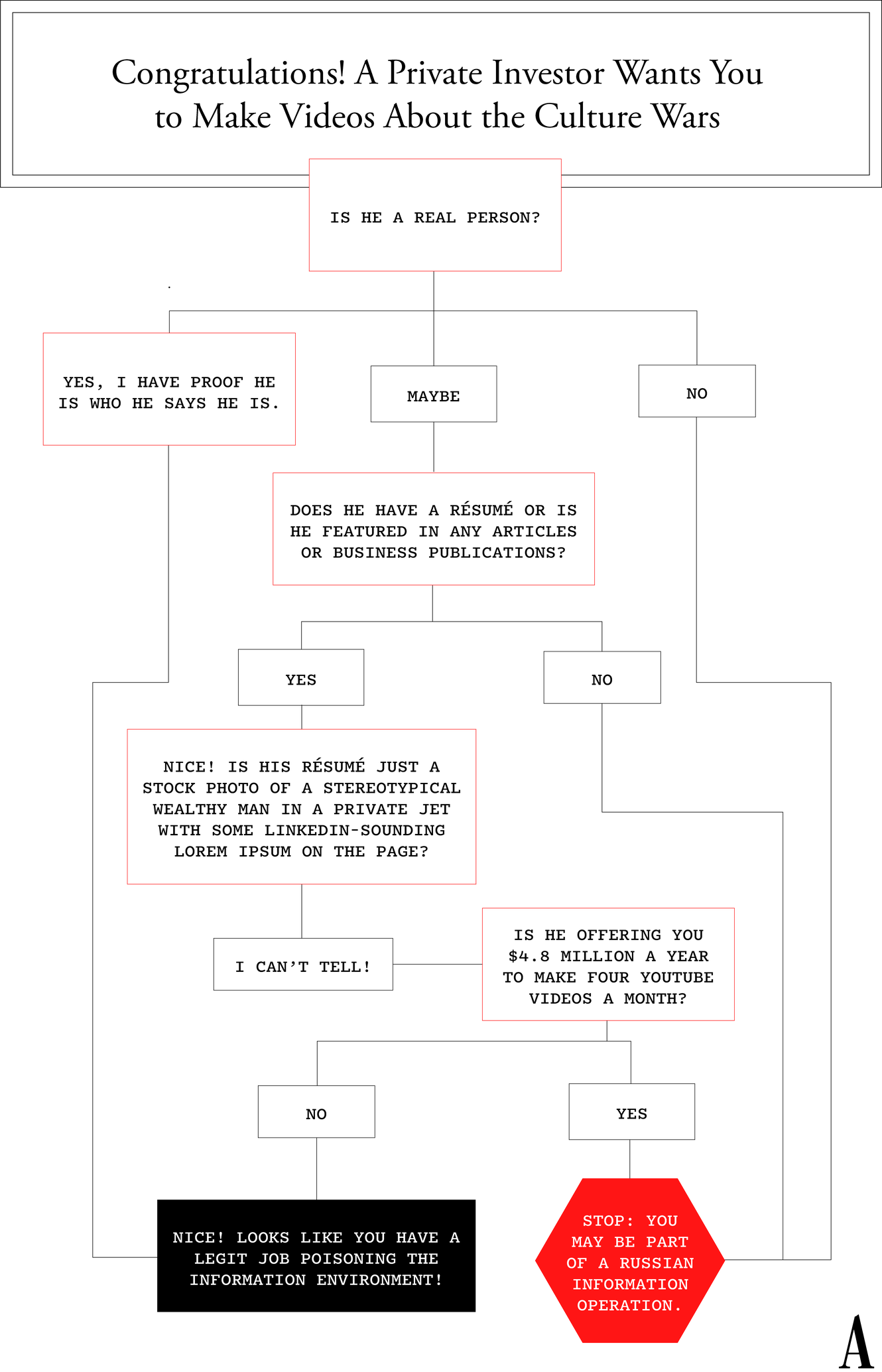
As the Atlantic sums it up:

https://cdn.theatlantic.com/thumbor/DPrMPELCuIvS3YctsppObRP52iY=/1330x2068/media/img/posts/2024/09/infographicArtboard_1_copy_22x-6/original.png
I didn't mention this but the top influencer was paid $400k a month to make videos that racked up thousands of views, and when questions about financing and money came up, Russian sources simply made up a Belgian "free speech advocate" that had their name misspelled on multiple documents. Their resume is here.

-------------------------------------------------------------------------------------------------------------------------------

Sources:

Tenet Media's Website

Tenet Media Youtube Statistics (Socialblade)

NBC, Forbes, WIRED, New Republic, New Republic - Tenet Company Fallout, The Atlantic, Washington Post, NY Times

DOJ Indictment Press Release


Another cool article that I didn't use: WIRED - What was discussed in those Tenet Media Videos


Friday, September 6, 2024

Framing bias example!


This just popped into my inbox from the NYT:

Judge Delays Trump’s Sentencing Until After Election Day

The judge overseeing Donald Trump’s criminal case in Manhattan rescheduled the sentencing for Nov. 26, a significant victory for the former president as he seeks to win back the White House.

A 'significant' victory? Really? How do they know what the political impact of a sentencing before election day might be? They don't; this is just lazy narrative-shaping baloney. If the judge intends to toss Trump in jail, doing so before the election could might benefit him in terms of remobilizing his base to turn out, knowing that him winning the election would be the only possible way to stop the state of New York from putting him in custody (and even then, it's a state case, so in theory he could start a term of US President while in custody!) If the judge thinks a lighter sentence is deserved, Trump could spin that as evidence the case should never have been brought in the first place. Or, maybe a sentencing would remind people that he has a pattern of acting and asserting that he is above the law and end up hurting him politically. The point is that whomever wrote this sub-headline should be mildly ashamed of themselves because they were making a speculative assumption in the subheadline of a news (not analysis or opinion) story. Indeed, the story as published online has a different subheadline already.

Furthermore, the judge's action could serve to restrain Trump from trying to undermine the election results after election day with bogus claims of fraud, intimidating officials involved in certifying the election outcomes in various states, etc. Judge Merchan has the power to shut him up by remanding him to custody (which is SOP at a sentencing that results in a prison term). Doing so would be a breach of legal ethics, but if the fate of the republic is on the line, all bets are off.

In related news, the federal judge overseeing the Trump insurrection case is asking the prosecutor to file a motion that will include a swath of yet-unseen evidence by the end of September. That strikes me as being a 'significant defeat' for the Trump legal team and their obvious efforts to delay the trial. Judge Chutkun isn't playing!! She made it clear that the case has already been pending for a full year, and she also made it clear that she thinks the argument that Jack Smith's appointment as prosecutor was unconstitutional to be "unpersuasive" i.e. she (like nearly every law professor on earth) thinks its idiotic and isn't going to allow a whole separate round of appealing on that basis, even though that decision can and will be appealed. She's clearly had it with the delays, and stated repeatedly that she doesn't give a darn about the political impact on the upcoming election. So, all in all, IMO the past 24 hours were not good news for Trump in respect being held legally accountable.

Wednesday, September 4, 2024

Harris Outlines Plans to Address the American Housing Crisis

            The housing crisis is currently affecting over 40 million Americans. The way Democratic nominee Kamala Harris handles it will be critical to her campaign’s success. A recent Center for Popular Democracy poll found that the majority of registered voters in five swing states would personally benefit from policies that reduce the high cost of housing. Harris said she intends to build 3 million new homes, make housing more affordable, and ensure Americans build wealth through property value. In theory, this sounds great, but in practice, it could prove much easier said than done. 

Vice president Harris has proposed a few main solutions for the housing crisis. The first one is a $40 billion fund for tax credits meant to encourage businesses and builders to create more low income housing. If all goes well, this policy would result in many more affordable renting units for Americans to live in. But, most likely, all will not go well. 

The biggest issue with this proposal is getting funding, which would have to be approved by Congress. This would be no easy feat, especially with so many pressing political issues demanding money at the moment. Another hurdle would be zoning regulations. The Nonpartisan Urban Institute’s Jung Choi states that “[zoning] rules are controlled by states and cities, not the federal government,” which would make it “difficult to attain that 3 million goal,” specifically due to lack of land. One potential solution for this issue is the use of federal land for construction, an idea that Harris has expressed support for.

Kamala Harris Outlining Plans For Tax Cuts Meant To Spur Home Construction | New York Times


Harris has also proposed a $25,000 benefit to first time home buyers for down payments, describing purchasing property as “part of the American dream and their aspiration.” The biggest problem with this idea, according to American Enterprise Institute economist Michael Strain, is that “the ultimate beneficiary of that credit is not going to be first-time home buyers. It’s going to be people selling homes.” And this sentiment is shared by many other economists. Essentially, by giving buyers more money, Harris increases the demand for starter homes. Without increasing the supply of said homes, the benefit will simply cause the price to increase until the equilibrium quantity is met–at a higher price. But other economists, such as National Housing Conference CEO David Dworkin, disagree with Strain’s sentiment, arguing that “as long as the program is targeted and well distributed, it is unlikely to inflate housing prices.” With economists in disagreement, it seems it will come down to how well Harris implements the program. 

With the housing crisis increasing in severity each day, it’s clear that affordable housing will be a hot topic in the upcoming election. As almost 12% of Americans are affected, Harris will be expected to present tangible policy solutions. And the way the public views her proposals could greatly help – or greatly harm – her campaign.


Sources:

https://www.urban.org/urban-wire/permanently-affordable-housing-has-support-both-republican-and-democratic-voters

https://www.politico.com/f/?id=0000018f-e6a8-d7f2-a19f-feb875820000&nname=playbook&nid=0000014f-1646-d88f-a1cf-5f46b7bd0000&nrid=00000166-4648-d3a5-abf6-5e48ac5f0000&nlid=630318

https://www.nytimes.com/2024/08/30/business/economy/housing-plan-harris-trump.html

https://www.pbs.org/newshour/economy/harris-has-proposed-a-slew-of-economic-policies-heres-a-look-at-whats-in-them

https://www.npr.org/2024/09/02/nx-s1-5096131/how-harris-and-trump-plan-to-address-the-high-cost-of-housing

https://www.housingwire.com/articles/harris-offers-key-new-details-on-housing-plan/


Harris Promises To Bring Back Controversial Border Deal

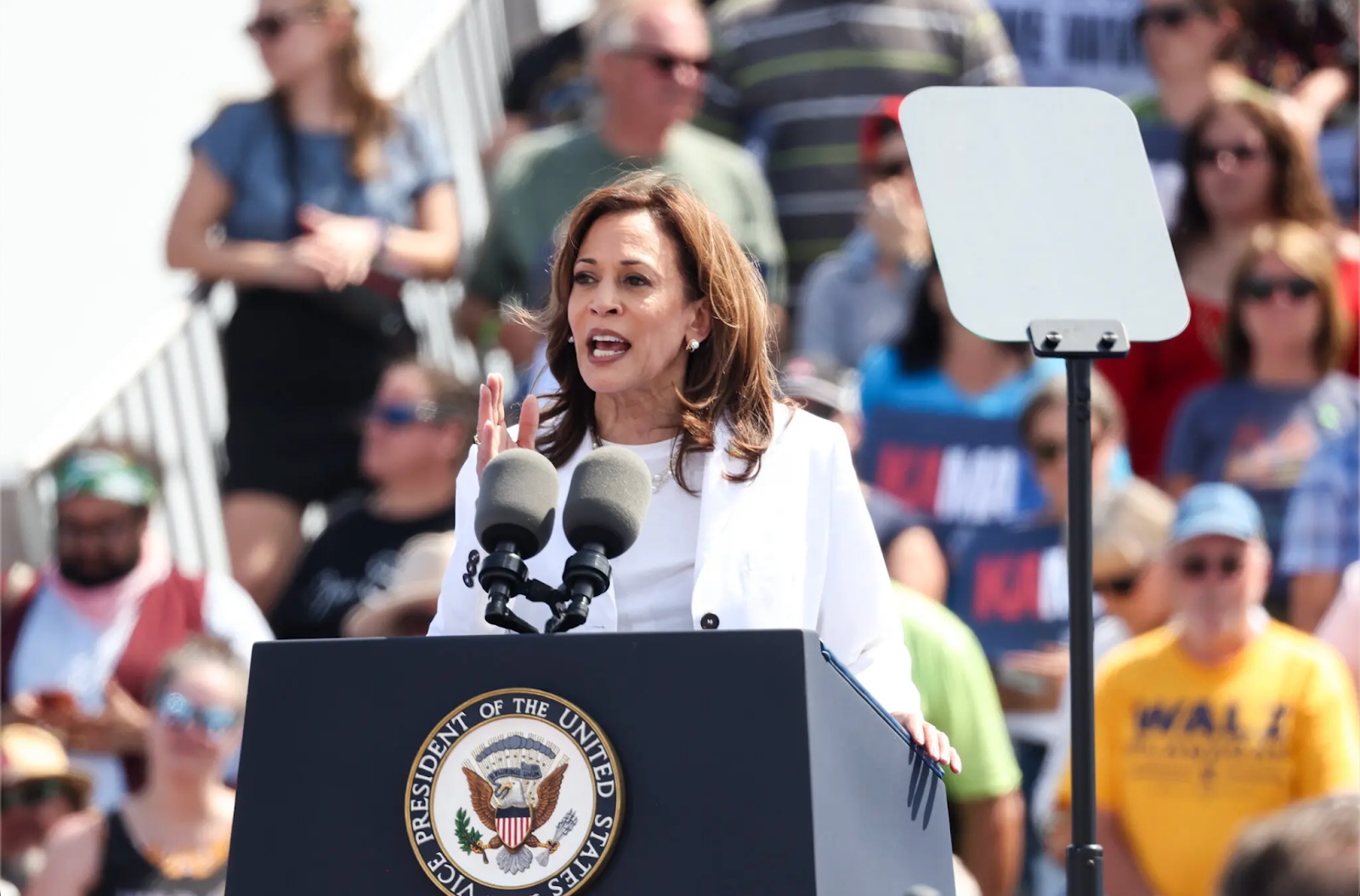
           On August 22, the final day of the Democratic National Convention, Kamala Harris accepted the Democratic presidential nomination and made many promises regarding her plans for office. Notably, she promised to bring back the Border Act, stating that “We can live up to our proud heritage as a nation of immigrants and reform our broken immigration system.”

In February 2024, Senate Majority Leader Schumer proposed the Emergency National Security Supplemental Appropriations Act with the goal of setting aside almost $120 billion for a variety of issues, including immigration reform, foreign aid, and uranium enrichment. The $20 billion allocated to immigration reform included creating new paths to asylum for Afghans, hiring over 1500 new agents at the border, capping the number of immigrants allowed in each day, and creating more Visas each year for legal immigration. 

Effectively, the bill would heighten security at the Southern border while creating more legal pathways to citizenship, something that theoretically both parties could get behind. But it quickly became clear that, despite having the endorsement of minority leader Mitch McConnell, the immigration reform section was so unpopular with Republicans that it would cause the whole bill to fail, so it was removed from the bill and shot down in the Senate. Three months later, when Senators Murphy (D), Sinema (Independent), and Lankford (R) brought the immigration reform provisions of the bill back (with some revisions) as the bipartisan Border Act, it faced even more Republican opposition.

The bill served the interests of both parties, had the endorsement of both senate leaders, the National Border Patrol Council, and the Chamber of Commerce, yet it failed to pass. Why?

The answer is clear, Donald Trump doesn’t want it to. In January 2024, the former president described the proposal as a “horrible open borders betrayal of America.” He intensified his position in February on his Truth Social account, stating that “​​Only a fool, or a Radical Left Democrat, would vote for this horrendous Border Bill, which only gives Shutdown Authority after 5000 Encounters a day, when we already have the right to CLOSE THE BORDER NOW, which must be done.” 

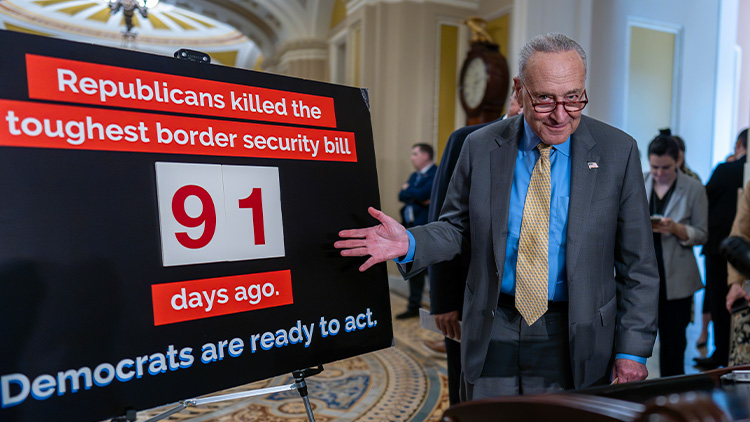
Senate Majority Leader Chuck Schumer on May 8, 2024 | ABC News

This is an example of a normative statement. As we covered in class, normative statements are not facts, but rather an opinion on how something should be; they are often defended with facts. In this case, Trump uses a value judgment to determine what should be done, asserting that the border should be closed with even stricter guidelines than outlined in the Border Act. Former president Trump holds considerable sway in the Republican party, and has urged Republicans to reject any bill that isn’t “perfect,” aka a total crackdown on immigration. But to some bystanders, such as Rep. Jamie Raskin, Republicans are blocking the bill on “orders from” Trump. 

But proponents of the bill think this reasoning isn’t entirely truthful. Although the American Immigration Lawyers Association describes the bill as “the most extensive border funding and security measures proposed in decades, perhaps ever,” former president Trump remains outwardly skeptical.

Both President Biden and Vice President Harris have accused Republicans of “playing politics with the border” by not passing this bill. Senate Majority Leader Schumer also denounced Trump’s opposition to the bill, telling reporters that “Trump told his MAGA allies to kill it in its tracks so he could exploit the issue on the campaign trail.” And Trump certainly has campaigned on the issue, making border control one of his key promises in past months. On the same day as Harris’ DNC speech, the former president visited the border state of Arizona, promising to “seal the border” and “stop the invasion,” but failing to mention that he has opposed bills funding border security, twice. Although the logistics of this bill have proven contentious in the Senate, both parties can agree that America’s immigration system needs reform.


Sources: 

https://www.nbcnews.com/now/video/harris-says-she-will-bring-back-bi-partisan-border-deal-217819717513

https://www.democrats.senate.gov/newsroom/press-releases/majority-leader-schumer-floor-remarks-announcing-the-senate-will-vote-thursday-on-bipartisan-border-security-legislation-blocked-by-senate-republicans-three-months-ago

https://www.aila.org/library/policy-brief-aila-analysis-of-the-border-and-immigration-provisions-of-the-emergency-national-security-supplemental-appropriations-act-2024

https://www.pbs.org/newshour/politics/whats-in-the-senates-118-billion-border-and-ukraine-deal

https://www.nbcnews.com/politics/congress/senate-republicans-block-border-security-bill-campaign-border-chaos-rcna153607

https://tucson.com/news/local/border/arizona-border-donald-trump-campaign-election/article_f078fd6a-5e57-11ef-af91-170f3b96b5d9.html

https://www.washingtonpost.com/politics/2024/01/27/trump-border-biden/

https://thehill.com/homenews/campaign/4415370-trump-cautions-gop-border-deal/


Monday, September 2, 2024

Polio Strikes Gaza: Israel Pauses War..Temporarily

Six weeks ago, there were traces of polio in Gaza's wastewater. Today, the deadly paralyzing disease threatens an outbreak. 

Under UN's vaccination campaign, both Hamas and Israel have agreed to staggered pauses in their fighting to allow for polio vaccinations. This was accomplished after six weeks of negotiations, and even then, Gaza has not been offered much reprieve by Israel. Even after US Secretary of State Antony J. Blinken urged Israel Prime Minister Netanyahu to pause the war, Israel offered only 3 days for vaccinations, and they made it clear it wouldn't come to a ceasefire. Three days for the United Nations to vaccinate 640,000 children -- a task made difficult enough considering Gaza's already worsening humanitarian crisis. 

Tamer Qarmout, an Associate Professor in Public Policy at the Doha Institute for Graduate Studies appears on Al Jazeera, stating "That's so pathetic...to get to the stage where the International community is begging Israel to vaccine children. And this tells you to what extent this war has become immoral and genocidal." He also brings up a point by a speaker of the World Health Organization, which is that even if vaccinations are carried out, these children might end up dying anyway, not from polio, but from Israel's attacks. 

Israel is not the only immoral state in this conflict. Six more Israel hostages were found dead in Gaza yesterday, sparking protests in Israel, all demanding Netanyahu for an immediate cease-fire. All around, this seems to be the common chant. It appears the media is putting out one message, whether it be Palestinians, Israelites, or Americans, that a ceasefire is necessary. But will Netanyahu listen? 

President Biden, at least is listening. Although he has been staying away from Netanyahu during the height of the presidential campaigns (due to Democratic disapproval of Netanyahu), he has voiced his opinion that Netanyahu simply isn't doing enough to free the hostages and call for a ceasefire. 


So far, the World Health Organization and UNICEF have transported over 1.2 million doses of oral polio vaccines to areas in Gaza where fighting will be paused. They are expecting about 400,000 more doses to account for the initial vaccination. Four weeks later, a booster immunization will be provided, in which another pause in the war will take place. This temporary pause in fighting may not be permanent, but the increasing stakes certainly require it to be so. 

Sources:

https://www.nytimes.com/2024/08/30/world/middleeast/gaza-polio-vaccinations.html

https://www.nytimes.com/2024/09/01/world/middleeast/gaza-polio-vaccine.html

https://www.youtube.com/watch?v=L4LEws4FT30

https://www.cbsnews.com/news/hersh-goldberg-polin-israeli-american-hostage-killed-in-gaza-family-says/

https://www.aljazeera.com/news/2024/9/2/biden-says-netanyahu-not-doing-enough-to-secure-gaza-ceasefire-deal


Sunday, September 1, 2024

Going Red in a Family of Blue: Robert F. Kennedy Jr. Endorses Trump after Suspending his Presidential Campaign

Known as an avid environmental lawyer, and even more for his conspiracies on vaccines, Robert F. Kennedy made the headlines this week for suspending his candidacy for president. 

In April 2023, Robert F. Kennedy announced his Democratic primary bid for US president. It seems this was his destiny, to follow in his uncle's footsteps. Except maybe President John F. Kennedy's shoes were too big to fill (is size 10 too big?). In October 2023, RFK Jr. announced a party switch from Democrat to Independent. He claimed it was his "[declaration of] independence from the journey of corruption." Whether this was a move to spite the Democrats for their supposed "rigging" of the primaries, or one made truly to fight the big corporate corruption plaguing the US, it has presented issues to both sides of the race. 

Upon this announcement, Democrats and Republicans both feared RFK Jr.'s presidency. They saw him as a threat, a candidate to steal percentage points away from their respective candidates, as all independents have done, historically. Shamelessly, Kennedy remarks at his party switch announcement, "The truth is [the Democrats and Republicans are] both right. My intention is to spoil it for both of them." 

How curious does this statement become when a week ago, Robert F. Kennedy suspended his race due to his "tumultuous independent presidential campaign", as described by NBC News, and then crawled to former president Donald Trump offering his endorsement. Trump welcomed RFK Jr. with open arms at his rally in Phoenix, Arizona, introducing him with "My Hero" by the Foo Fighters blasting in the back. Together, they mentioned their differences but emphasized their similarities. Even more, they spoke of one another in great reverence, as if they had been on the same side all along.

Donald Trump, the pro-life billionaire and corporate titan is now Robert F. Kennedy Jr.'s best friend. According to RFK Jr.'s running mate, Nicole Shanahan RFK Jr. might join the Trump administration as secretary of the Department of Health and Human Services should Trump get elected. RFK Jr., who has always preached "We the people" and not "We the corporations", as well as "pro-choice" and not "pro-life," has now compromised his morals to reach some self-serving, power-grabbing goal, but so it goes in the world of politics. It seems nepotism didn't work for RFK Jr., so he resorted to being in cahoots with his rival to win the game of politics. A sacrifice of policy for power. 

But, then again, maybe RFK Jr. and Trump aren't so dissimilar. After the assassination attempt on Trump's life, RFK Jr. said he and Trump talked for hours, and that "he found they had more in common than he believed after several sessions." Trump is also known for distrusting vaccines, especially during the pandemic. Not a surprise, then, that he would appoint RFK Jr. as secretary of the Department of Health of Human Services. 

Was this RFK Jr.'s plan all along? While originally a Democrat, Kennedy's polarizing views on vaccines and border control put him more right-leaning, appealing to more Republicans. Perhaps he entered this race with the intention of stealing votes for the GOP. Steve Contorno, Alayna Treene, and Aaron Pellish at CNN believe there is "hope within the former president's operation that Kennedy's exit could prove decisive." Yet Allan Lichtman on NewsNation believes that the "idea that [RFK Jr.] could somehow turn" votes to Trump is "absolute nonsense." Or perhaps he believed his party switch could finally dismantle the two-party system. Bo Snerdley on NewsNation argues fervently that all RFK Jr. has to do is perform well in 7-8 battleground states to win the election. However, as previous races have shown, no Independent candidate has done this so far in a presidential election. It begs the question of the intentions of all Independent presidential candidates. Granted, not all are quite as eccentric or unreliable as our conspiracist Mr. Kennedy, but do they all really believe they can win? Do we as Americans believe they can win? 


Sources:

https://www.pbs.org/newshour/politics/watch-live-trumps-appears-at-a-campaign-rally-for-first-appearance-following-democratic-convention 

https://www.pbs.org/newshour/show/3-things-to-know-about-robert-f-kennedy-jr-s-decision-to-suspend-his-campaign

https://www.pbs.org/newshour/politics/robert-f-kennedy-jr-drops-his-democratic-primary-bid-will-run-as-an-independent 

https://abcnews.go.com/Politics/rfk-jrs-switch-independent-campaign-draws-criticism-republicans/story?id=103860523

https://www.bbc.com/news/articles/cwy5ekxlwzgo

https://www.nbcnews.com/politics/2024-election/robert-f-kennedy-headed-breakup-democratic-party-rcna118646

https://www.newsnationnow.com/cuomo-show/rfk-jr-trump-harris-allan-lichtman/

https://www.miamiherald.com/news/nation-world/national/article291481195.html

https://www.cnn.com/2024/08/23/politics/robert-kennedy-president-trump/index.html

https://www.nbcnews.com/politics/2024-election/rfk-jr-says-court-filing-endorsing-trump-ending-presidential-hopes-rcna165936


Saturday, May 4, 2024

Is Your College Doing This? The Summary of Student Protests Across the Nation.

     In the midst of the Israel-Palestine conflict, Americans watch from their TV’s, newspapers, and phones about the horrifying conflict that is currently taking place.  How stubbornness and ideals can lead to such barbarism in our very own modern day.  It’s no surprise that given America’s support for a band of war criminals that many are outraged at their own country.  From spreading the morally reprehensible actions of Israel to filling the streets with chanting and signs, people across the nation do whatever it takes to call for a ceasefire, or at least withdraw support of munitions from Israel.

However, the US government is not the only one investing in Israel.

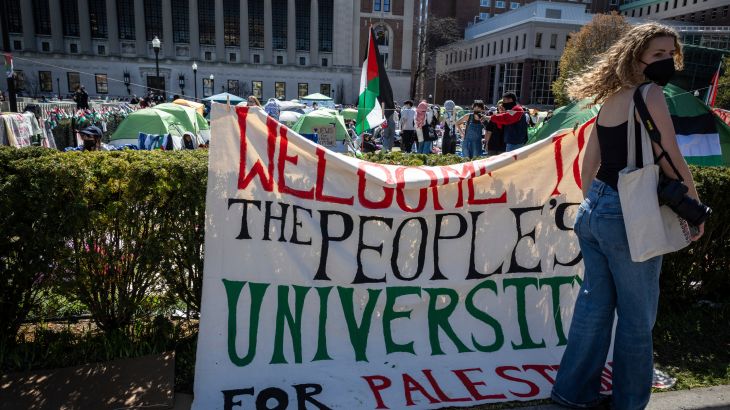
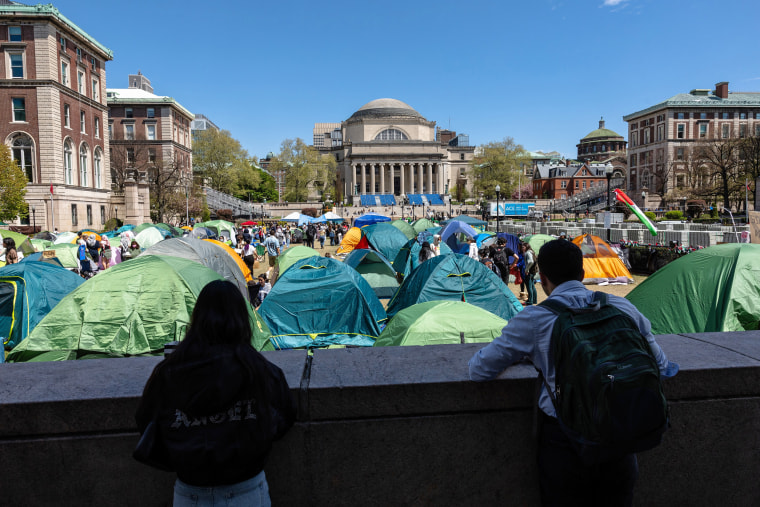
On April 17th of this year, students of the prestigious Columbia University took to the streets to demand their institution divest from Israeli supporting industries and stocks, defense industries and to publicly disclose their investments.  Students set up camp to raise awareness around the university.  At the same time, Columbia University President Minouche Shafik held a congressional hearing on antisemitism, which only served to grow the student encampment population.

On the next day, police raided encampment, arresting over 100 students.  Columbia University has also suspended these students for 2 weeks.   After that, Columbia students lock themselves up in the Hamilton Hall, an academic building. Again, the police were called in to break the barricade and arrest the students inside and over 100 people were arrested.

According to Shafik, the protest "violates all of the new policies, severely disrupts campus life and creates a harassing and intimidating environment for many of our students."

Activist Maryan Alwan at Columbia University, one of the many arrested in the encampment, comments how “this outside agitator narrative has been historically, you know, propagated over and over again, within student movements such as Black Lives Matter as well, in order to delegitimize the movement,” and comparing their movement to that of the Vietnam War protests that were commemorated at Columbia.

Columbia extends deadline to end Gaza war protest by 48 hours: All to know

    But what happened to the First Amendment, our freedom to speech, religious practice, and most relevantly, our freedom to assemble when the university suspended these students for taking a stand?  The First Amendment of the US Constitution states that “Congress shall make no law… abridging… the right of the people peaceably to assemble.”  However, Columbia University is not the US government, nor is it a public university subject to the First Amendment.  Therefore, these universities can discipline students how they see fit regardless of the constitution.

Protests like these are not exclusive to Columbia University.  Students of prominent universities around the country have also protested for the divestment of Israel to their universities.  At UCLA, encampments of pro-palestine protesters were attacked by counter protesters spraying chemicals and setting off fireworks, as well as directly beating these protesters. This attack left 15 students injured and 1 student hospitalized.  There was no response or presence of police officers.

In other universities, officers were direct adversaries to the students.  At the City University of New York, police were called to clear their encampment, arresting close to 300 people.  Those who were on the site reported police using excessive force, such as being thrown to the ground, or being dragged out of the camp.  Some people reportedly left the camp with broken teeth, and others claim that handcuffs and zipties were so tight that their hands turned purple.

The peacefulness of the protests have also been widely argued.  Administrators and Jewish groups claim to have seen a sharp rise in antisemitism, especially in the remarks made during the protests.  On the other hand, advocates for Palestine have pointed out that many prominent protest leaders are Jewish, and that the violence and aggression reported is not representative of their people.

        Right now, over 2100 students were arrested nationwide for the protests.

“Dissent is essential for democracy,” President Joe Biden comments, “But dissent must never lead to disorder.”

On May 3rd, demonstrations have stopped in some universities through striking a deal between protesters and administration, with schools such as Brown, and Northeastern having mellowed their protests.  As finals come creeping up, and graduation ceremonies are being prepared this year, students and administrators are both more willing to cooperate in order to lower disruption at their universities.  In return, students demand that universities review their investments with Israel, and give students more power in arguing their case.  However, no promises to divest funds have been made, as divesting in many universities is a long and hard process, just like a bureaucracy!

Encampments across universities have become a country wide phenomenon in the universities that you guys will be going into.  No matter what, the right to freely assemble and demand is an important and powerful right for democracies when all else fails.  But also remember that protests are never easy.  To the aspiring activists out there, be sure to be firm in what you believe in, and be able to endure the hard cold floor of your tent, the threats of arrests and suspension, and the crushing loneliness of being one of many to speak out for your cause.

How the Columbia protests sparked campus demonstrations across the country

Also, hi 6th Period.  You guys did the argumentative prompt about free speech zones at university, right? 

Source Used:

ABC News

LA Times

AP News

Time

Politico

The Guardian